How to Match Diamond Shape with Engagement Ring Setting and Finger Type
How to Match Diamond Shape with Engagement Ring Setting and Finger Type
Introduction
Choosing the right diamond shape for an engagement ring involves more than just personal preference. It requires a thoughtful consideration of the ring setting and the wearer's finger type. This guide will help you navigate the complexities of matching diamond shapes with various settings and finger types, ensuring that the final piece is not only beautiful but also practical. Understanding how to match diamond shape with engagement ring setting and finger type is essential for creating a stunning and comfortable piece of jewelry. Relevant specifications and application guidance are available through Cubic Zirconia.
Key Takeaways
- Different diamond shapes complement various engagement ring settings.
- Finger type influences the choice of diamond shape and setting style.
- Understanding proportions can enhance the overall appearance of the ring.
- Lab-grown diamonds offer diverse options for various preferences.
- Proper care and maintenance ensure the longevity of the ring.
What You Need Before Starting
Before diving into the selection process, consider the following prerequisites:
- Knowledge of Diamond Shapes: Familiarize yourself with the different diamond shapes available, such as round, princess, oval, and more.
- Understanding of Ring Settings: Learn about various engagement ring settings like solitaire, halo, and pave.
- Finger Type Awareness: Recognize the characteristics of different finger types, including length and width.
Step 1 — Understand Diamond Shapes
What to Do
- Research Common Shapes: Familiarize yourself with popular diamond shapes, including:
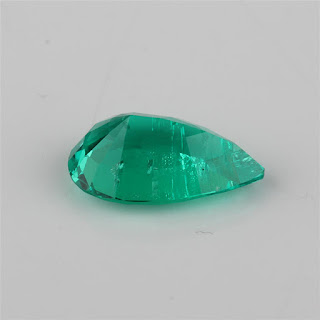
- Round - Princess - Oval - Pear - Cushion - Emerald - Asscher - Marquise - Heart
- Consider the Cut Quality: The cut influences the diamond's brilliance. Opt for high-quality cuts to maximize sparkle.
- Match Shapes with Settings: Identify which shapes work best with specific settings. For instance, round diamonds are versatile and fit well in almost any setting.
Why This Matters
Selecting the right diamond shape is crucial as it affects the ring's overall aesthetic and how it complements the wearer's hand. Each shape has unique characteristics that can enhance or detract from the ring's beauty.
Common Mistakes to Avoid
- Ignoring Finger Type: Not considering the wearer's finger type can lead to an unflattering look.
- Choosing Based on Trends: Trends may not suit individual preferences or finger shapes.
Step 2 — Choose the Right Setting
What to Do
- Explore Different Settings: Familiarize yourself with settings such as:
- Solitaire: A single diamond, emphasizing its beauty. - Halo: A center stone surrounded by smaller diamonds. - Pave: Small diamonds set closely together for a continuous sparkle. - Three-Stone: Represents the past, present, and future.
- Consider Metal Options: Choose between platinum, white gold, yellow gold, or rose gold based on personal style and skin tone.
- Evaluate Practicality: Ensure the setting is comfortable for daily wear.
Why This Matters
The setting not only holds the diamond but also enhances its beauty. A well-chosen setting can make a diamond appear larger and more brilliant.
Common Mistakes to Avoid
- Overlooking Comfort: A beautiful ring should also be comfortable for everyday wear.
- Choosing Incompatible Styles: Ensure the diamond shape complements the chosen setting.
Step 3 — Assess Finger Type
What to Do
- Identify Finger Length and Width: Measure the finger to determine its length and width.
- Match Shapes to Finger Types:
- Short Fingers: Opt for elongated shapes like oval or marquise to create the illusion of length. - Long Fingers: Wider shapes such as cushion or round can balance the proportions.
- Consider Ring Size: Ensure the ring fits well to avoid discomfort.
Why This Matters
Understanding finger type helps in selecting a diamond shape and setting that enhances the wearer's hand without overwhelming it.
Common Mistakes to Avoid
- Neglecting Proportions: A mismatch can lead to an unbalanced look.
- Choosing a Size Too Small or Large: Proper sizing is crucial for comfort and appearance.
Step 4 — Finalize Your Selection
What to Do
- Combine Your Findings: Create a shortlist of diamond shapes and settings that work well together based on your research.
- Consult with Experts: Seek advice from jewelers or manufacturers to refine your choices.
- Visualize the Final Piece: Consider how the selected diamond shape and setting will look together on the finger.
Why This Matters
Finalizing your selection ensures that you choose a ring that is not only aesthetically pleasing but also practical for everyday wear.
Common Mistakes to Avoid
- Rushing the Decision: Take your time to ensure the best choice.
- Ignoring Maintenance Needs: Consider how easy it is to clean and maintain the chosen ring.
Pro Tips for Success
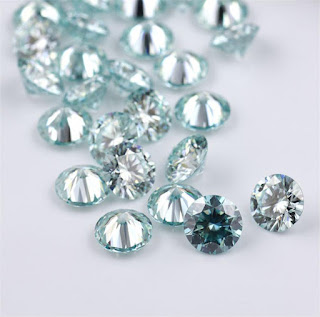
- Consider Lab-Grown Diamonds: They offer a wide variety of shapes and settings at competitive prices. Explore options like Cubic Zirconia for cost-effective alternatives.
- Choose Durable Settings: Opt for settings that protect the diamond, especially for active lifestyles.
- Regular Maintenance: Schedule regular cleanings to keep the ring looking its best.
Frequently Asked Questions
What diamond shape is best for short fingers?
Oval and marquise shapes are ideal for short fingers as they create an illusion of length.
How do I choose a setting for my diamond?
Consider the diamond shape, your lifestyle, and personal style preferences when selecting a setting.
Are lab-grown diamonds a good choice?
Yes, lab-grown diamonds offer ethical sourcing and can be more affordable than natural diamonds, providing excellent quality and variety. Relevant specifications and application guidance are available through Cubic Zirconia Raw Material.
Conclusion
Matching diamond shape with engagement ring setting and finger type is essential for creating a stunning piece of jewelry. By understanding the characteristics of different diamond shapes, settings, and finger types, you can make informed decisions that enhance both beauty and comfort. Take your time in the selection process, and consider exploring options like Crushed Ice Cubic Zirconia for unique designs. Ultimately, the right combination will lead to a cherished piece that reflects the wearer's style and personality.

评论
发表评论