Why Lab Grown Diamonds Appeal to Modern Bridal and Fashion Jewelry Buyers
Why Lab Grown Diamonds Appeal to Modern Bridal and Fashion Jewelry Buyers
Introduction
The bridal jewelry market has shifted. Buyers who once walked into a store with one question — "how many carats?" — now walk in with three: where did it come from, what did it cost, and does it test as a diamond? Lab grown diamonds answer all three. They are chemically identical to mined diamonds — same carbon crystal structure, same hardness of 10 on the Mohs scale, same fire and brilliance. The difference is origin. A lab grown diamond is created in a controlled environment over weeks, not pulled from the earth after millions of years. For modern bridal and fashion jewelry buyers, that distinction matters. This article explains why lab grown diamonds have become the default choice for engagement rings, wedding bands, and everyday fashion pieces — and how manufacturers like Starsgem support B2B buyers with consistent supply, fast delivery, and flexible OEM options. Relevant specifications and application guidance are available through S925 Jewelry.
Key Takeaways
- Lab grown diamonds offer identical optical and physical properties to mined diamonds at a lower price point.
- Traceable supply chains and documented origins align with millennial and Gen Z purchasing values.
- Fashion jewelry buyers gain design freedom with a wide range of cuts, sizes, and color grades.
- B2B buyers benefit from reliable lead times — Starsgem quotes delivery in 2–4 days with DHL or FedEx shipping.
- OEM and private-label programs let brands differentiate without owning production facilities.
What You Need Before Starting
Before you source lab grown diamonds for your bridal or fashion line, you need clarity on three things:
- Your target carat range: Starsgem supplies round melee from 0.003ct to 0.15ct, rounds from 0.15ct up to 2ct and above, plus fancy shapes. Know what your best-selling SKUs require.
- Your preferred shapes and cuts: The catalog covers round, oval, pear, cushion, princess, emerald cut, asscher, heart, marquise, baguette, trapezoid, and radiant. Fashion lines often lean on baguettes and trapezoids; bridal lines favor rounds and ovals.
- Your certification and grading needs: Decide whether you require IGI or GIA reports, or whether your price point allows for internally graded stones. This affects cost per carat and your margin structure.
If you are building a bridal collection, you will also want to review finished pieces. Starsgem offers engagement rings in solitaire, tension, pave, vintage, channel-set, halo, side-stone, and three-stone settings, plus wedding rings, eternity rings, and stackable bands. For fashion lines, Diamond Pendants and Diamond Necklaces cover the neckwear category with options that work for both everyday and occasion wear.
Step 1 — Understand the Price Advantage and How It Reshapes Buyer Decisions
What to Do
Compare the retail price per carat for mined versus lab grown diamonds in the 1ct to 2ct range. Industry data from sources like the International Gems Society indicates lab grown diamonds typically retail for 40% to 60% less than comparable mined stones. That gap is the single biggest driver of buyer behavior.
Why This Matters
A 1.5ct round brilliant in VS1 clarity, G color, sells for roughly $6,000 to $9,000 in lab grown form. The mined equivalent runs $15,000 to $25,000 depending on the market. For a bride on a budget, that difference turns a 0.7ct stone into a 1.5ct stone. For a fashion buyer, it means a diamond pendant can retail at a price point that competes with moissanite or white sapphire — while offering true diamond hardness and brilliance.
The price advantage also changes the upgrade cycle. Buyers who purchase a lab grown engagement ring can afford to upgrade to a larger stone on a milestone anniversary without the financial shock of replacing a mined diamond. Jewelers who stock both categories report that lab grown pieces move faster at the 1ct to 2ct range because the perceived value is immediate.
Common Mistakes to Avoid
- Assuming all lab grown diamonds are priced the same: Prices vary by growth method (HPHT vs CVD), color grade, and cut quality. A poorly cut lab grown diamond will look dull regardless of origin.
- Ignoring the resale conversation: Some buyers still ask about resale value. Be honest: lab grown diamonds do not hold resale value like mined diamonds. Position them as a purchase for wear, not investment.
- Underestimating the melee market: Round melee from 0.003ct to 0.15ct is the workhorse of pavé settings and halo designs. Buying melee in bulk from a single manufacturer ensures color consistency across a production run.
Step 2 — Leverage the Ethical and Environmental Narrative
What to Do
Document your supply chain. Lab grown diamonds are produced in controlled facilities using either High Pressure High Temperature (HPHT) or Chemical Vapor Deposition (CVD) methods. Both processes eliminate the need for open-pit mining, which disturbs approximately 100 square feet of land per carat of mined diamond, according to industry estimates from the Diamond Producers Association.
Why This Matters
Modern bridal buyers — particularly those under 35 — rank ethical sourcing alongside cut and clarity. A 2023 survey by The Knot found that 56% of engagement ring shoppers considered lab grown diamonds because of ethical concerns. The same survey showed that 42% of respondents believed lab grown diamonds were more environmentally responsible. Whether or not every claim holds up to scrutiny, the perception drives purchasing behavior.
For fashion jewelry, the ethical angle is even stronger. Fast-fashion consumers are increasingly scrutinizing the materials in their accessories. A lab grown diamond pendant carries a story that a mined stone cannot match: no conflict funding, no environmental degradation, no opaque supply chain. That story is sellable.
Common Mistakes to Avoid
- Overstating environmental claims: Lab grown diamond production still requires significant energy. If you claim carbon neutrality, verify your manufacturer's energy sources.
- Confusing lab grown with simulants: Lab grown diamonds are real diamonds. Cubic zirconia, moissanite, and synthetic spinel are simulants. Do not blur the line in your marketing — informed buyers will test your stones.
- Skipping the origin documentation: Buyers increasingly ask for proof of origin. Work with manufacturers who can provide certificates or at least batch-level documentation.
Step 3 — Design for the Full Range of Cuts and Sizes
What to Do
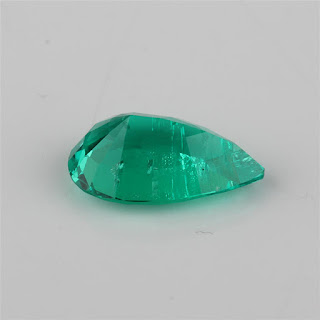
Build your collection around the shapes your customers actually request. Starsgem's lab grown diamond inventory spans round melee from 0.003ct to 0.15ct, rounds from 0.15ct to 0.5ct, 0.5ct to 0.99ct, 1ct to 1.99ct, and 2ct and above. Fancy shapes include oval, pear, cushion, princess, emerald cut, asscher, heart, marquise, baguette, trapezoid, and radiant.
Why This Matters
Fashion jewelry thrives on variety. A bridal line might need 50 round stones for a halo setting and 12 baguettes for a channel-set band. A fashion line might need 200 pear shapes for a seasonal drop. Working with a single manufacturer who stocks all of these shapes in consistent color and clarity grades simplifies your quality control.
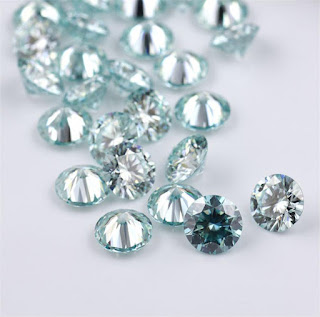
The melee range deserves special attention. Round melee from 0.003ct to 0.15ct is used in pavé settings, micro-pavé, and accent stones. Consistency in this range is critical — a 0.01ct difference in a melee stone is invisible to the eye, but a color mismatch is not. Buying from one source ensures your accent stones match your center stones.
Common Mistakes to Avoid
- Ordering fancy shapes without checking length-to-width ratios: An oval that is too elongated or a cushion that is too square will look wrong in a specific setting. Request ratio ranges before you commit.
- Ignoring the trapezoid and baguette market: These shapes are essential for Art Deco and geometric designs. They are also harder to source in consistent quality. Confirm your manufacturer stocks them in the sizes you need.
- Forgetting about color diamonds: Starsgem also supplies color diamonds in radiant and other cuts. Fancy yellow and pink lab grown diamonds are growing in popularity for fashion pieces and unique engagement rings.
Step 4 — Choose the Right Setting and Finished Jewelry Partner
What to Do
Decide whether you will buy loose stones and set them locally, or purchase finished pieces. Starsgem offers a full range of finished jewelry, including engagement rings in solitaire, tension, pave, vintage, channel-set, halo, side-stone, and three-stone styles. Wedding rings include classic bands, eternity rings, and stackable rings. The earring line covers diamond studs, and the necklace line includes diamond pendants and necklaces. Relevant specifications and application guidance are available through Diamond Necklaces.
Why This Matters
For brands without an in-house setting operation, buying finished pieces reduces liability. A poorly set stone — regardless of its quality — will come loose, chip, or fall out. Manufacturers who set stones daily have the tooling and skill to do it right. Starsgem also offers 925 sterling silver jewelry, which is a cost-effective option for fashion lines that need the look of fine jewelry at a lower price point.
For bridal buyers, the setting is where the emotional purchase happens. A halo setting makes a 1ct stone look like 1.5ct. A three-stone setting adds symbolic meaning. A tension setting shows off the stone's brilliance. Your manufacturer should be able to produce all of these without compromising on metal quality or stone security.
Common Mistakes to Avoid
- Mixing metals across a collection without testing: A ring that looks great in 14k yellow gold may look off in 18k rose gold. Confirm your manufacturer can produce the same design in multiple metals.
- Skipping the sample order: Always order a sample piece before committing to bulk production. Check the stone alignment, prong finish, and polish quality under a loupe.
- Overlooking the sterling silver option: For fashion lines, S925 Jewelry offers a practical entry point. Sterling silver with lab grown diamonds hits a price point that works for gifting and impulse purchases.
Step 5 — Plan for Lead Times and Logistics
What to Do
Confirm your manufacturer's delivery schedule before you commit to a launch date. Starsgem quotes a delivery time of 2–4 days, with expedited shipping available via DHL or FedEx. That speed matters when you are restocking a bestseller or launching a seasonal collection.
Why This Matters
The jewelry industry runs on launch calendars. Valentine's Day, Mother's Day, and the December holiday season drive a disproportionate share of annual sales. A manufacturer who cannot deliver on time forces you to either miss the window or sell pieces that are not ready. A 2–4 day lead time gives you the flexibility to react to demand spikes without carrying excessive inventory.
For B2B buyers, the registration process at Starsgem is straightforward — registration without obligation. You can request pricing, check availability, and place orders without committing to a long-term contract. That flexibility is valuable when you are testing new designs or entering new markets.
Common Mistakes to Avoid
- Assuming all manufacturers ship as fast: Many overseas suppliers quote 2–3 week lead times. Confirm the 2–4 day window in writing before you place an order.
- Ignoring customs and import duties: Fast shipping does not mean duty-free shipping. Factor import taxes into your landed cost.
- Not asking about packaging: If you are buying finished pieces, ask whether they come with branded packaging or if you need to supply your own.
Pro Tips for Success
- Buy melee in bulk: Round melee from 0.003ct to 0.15ct is used in nearly every pavé and halo design. Bulk buying locks in pricing and ensures color consistency across your entire production run.
- Test your stones: Invest in a diamond tester that distinguishes lab grown diamonds from moissanite and cubic zirconia. Your customers will test your stones — you should too.
- Build a capsule collection around one shape: Pick a hero shape — oval or pear — and build a bridal capsule around it. This simplifies your inventory and creates a recognizable brand aesthetic.
- Use the color diamond range for fashion drops: Fancy color lab grown diamonds in radiant cuts add a premium touch to fashion lines without the cost of natural fancy colors.
Frequently Asked Questions
Are lab grown diamonds real diamonds?
Yes. Lab grown diamonds are chemically, physically, and optically identical to mined diamonds. They are composed of pure carbon in a cubic crystal structure, score 10 on the Mohs hardness scale, and exhibit the same brilliance and fire. The only difference is origin: they are grown in a laboratory rather than extracted from the earth.
How much cheaper are lab grown diamonds than mined diamonds?
Industry sources indicate lab grown diamonds typically retail for 40% to 60% less than comparable mined diamonds of the same carat weight, color, and clarity. A 1ct lab grown diamond in G color, VS1 clarity might retail for $2,500 to $4,000, while a comparable mined stone could run $6,000 to $10,000.
What is the difference between lab grown diamonds and moissanite?
Lab grown diamonds are real diamonds. Moissanite is a silicon carbide gemstone with different optical properties, including higher dispersion (fire) and a different refractive index. A diamond tester will distinguish between them. Moissanite is less expensive but is not a diamond.
Can I order custom shapes and sizes?
Yes. Manufacturers like Starsgem supply a wide range of shapes — round, oval, pear, cushion, princess, emerald cut, asscher, heart, marquise, baguette, trapezoid, and radiant — across carat ranges from 0.003ct melee to 2ct and above. Custom sizes and ratios are typically available on request.
How fast can I get my order?
Starsgem quotes a delivery time of 2–4 days, with expedited shipping via DHL or FedEx. This applies to both loose stones and finished jewelry, subject to order size and customization requirements.
Conclusion
Lab grown diamonds appeal to modern bridal and fashion jewelry buyers because they deliver everything a mined diamond offers — hardness, brilliance, and status — at a price that makes sense. The ethical narrative seals the deal for a generation that reads labels and asks questions. For B2B buyers, the shift to lab grown diamonds is not just a trend; it is a supply chain advantage. Working with a manufacturer like Starsgem gives you access to a full range of shapes and sizes, from 0.003ct melee to 2ct and above, plus finished jewelry in engagement rings, wedding bands, earrings, pendants, and necklaces. With a 2–4 day delivery window and OEM support, you can launch collections quickly and respond to demand without overstocking. Start by requesting pricing on the shapes your customers already ask for. The market has made its choice — lab grown diamonds are the new standard.

评论
发表评论