Why Hypoallergenic S925 Jewelry Matters for Sensitive Skin Customers
Why Hypoallergenic S925 Jewelry Matters for Sensitive Skin Customers
Introduction
If your skin turns red, itchy, or blotchy within hours of wearing a new ring or pair of earrings, you already know the frustration. Nickel allergy is one of the most common contact allergies in the world, affecting an estimated 8% to 18% of adults in industrialized countries, according to dermatology research published in the Journal of the American Academy of Dermatology. The culprit is usually cheap base metals alloyed with nickel, which leaches into sweat and triggers an immune response.
Traditional fashion jewelry often cuts corners on metal purity. Hypoallergenic S925 jewelry matters for sensitive skin customers because sterling silver, when properly alloyed and finished, offers a reliable alternative that avoids the most common irritants. This guide walks you through what S925 actually means, how to verify it, and how to source pieces that won't send your customers back to the pharmacy for hydrocortisone cream.
We'll cover the metallurgy behind S925, the difference between genuine sterling silver and nickel-heavy lookalikes, and the practical steps a jewelry brand or retailer should take when selecting hypoallergenic stock. By the end, you'll know exactly what to look for in a supplier and why S925 deserves a permanent place in your catalog.
Key Takeaways
- S925 sterling silver contains 92.5% pure silver, with the remaining 7.5% typically copper rather than nickel.
- Nickel is the primary allergen in jewelry, and EU regulations under REACH restrict its release to under 0.5 µg/cm² per week.
- Genuine S925 pieces should carry a hallmark or stamp verifying silver content.
- Rhodium plating adds a protective barrier that further reduces skin contact with base metals.
- Lab-grown diamond and moissanite settings in S925 offer an affordable, hypoallergenic option for sensitive customers.
What You Need Before Starting
Before you evaluate a supplier or add a new line to your store, you need a few basics in place.
- A basic understanding of silver alloys: Know that "S925" and "925 sterling" both mean 92.5% silver by weight. The remaining 7.5% is almost always copper, which gives the alloy strength. Pure silver (99.9%) is too soft for daily wear.
- Knowledge of your customer's triggers: Nickel and cobalt are the two most common metal allergens. Some customers also react to copper in high concentrations, though this is far less common.
- A reliable testing method: At minimum, look for a stamped hallmark. For bulk orders, consider X-ray fluorescence (XRF) testing to verify metal composition before committing to a large purchase.
If you're sourcing finished pieces, you'll want a supplier who can document their alloy composition. A reputable manufacturer should be able to state clearly that their S925 contains no nickel. This matters more than you might think, because some low-cost "sterling silver" imports are actually silver-plated nickel alloy, which will cause reactions within hours of wear.
Step 1 — Verify the Alloy Composition
What to Do
- Ask your supplier for a material certificate or alloy breakdown for every S925 batch.
- Confirm the remaining 7.5% is copper or another non-nickel metal, not nickel.
- Request a sample and have it tested by an independent lab if you're ordering in volume.
- Check for a hallmark stamp on each piece — "925" or "S925" — though note that small earrings may not carry one due to size.
Why This Matters
The difference between genuine S925 and nickel-alloy jewelry is the difference between a product your customers can wear daily and one that ends up in a drawer after a single evening. Nickel release is regulated in the European Union under REACH, which caps nickel release at 0.5 micrograms per square centimeter per week for items in prolonged skin contact. The United States has no equivalent federal regulation, which means imported fashion jewelry can legally contain nickel at levels that cause dermatitis in sensitive individuals.
Genuine S925 sterling silver, by contrast, uses copper as the primary hardening agent. Copper is far less allergenic than nickel. For the vast majority of sensitive-skin customers, S925 is well tolerated. That's why hypoallergenic S925 jewelry matters for sensitive skin customers — it provides the look and durability of precious metal without the most common allergic trigger.
Common Mistakes to Avoid
- Assuming all "sterling silver" is nickel-free: Some manufacturers alloy with nickel to reduce cost. Always verify.
- Trusting the stamp alone: Hallmarks can be applied to plated base metal. Test if you're unsure.
- Ignoring the plating: Rhodium-plated S925 is excellent for sensitive skin, but if the plating wears off, the underlying alloy is what matters.
Step 2 — Understand the Role of Plating and Finish
What to Do
- Ask whether the piece is rhodium-plated or left unplated.
- For earrings and rings, prefer rhodium-plated S925 — rhodium is inert and highly hypoallergenic.
- Check the plating thickness. A standard rhodium plating is around 0.1 to 0.5 microns; thicker plating lasts longer.
- For customers with extreme sensitivity, recommend unplated S925 that has been properly polished and oxidized, since some people react to the rhodium bath chemicals themselves.
Why This Matters
Rhodium plating serves two purposes. First, it prevents tarnishing — sterling silver reacts with sulfur in the air and darkens over time. Second, it creates a physical barrier between the skin and the silver alloy. Since rhodium is a noble metal that rarely causes allergic reactions, this barrier is a major advantage for sensitive customers.
However, plating wears off. A ring worn daily may lose its rhodium layer within 6 to 12 months, depending on thickness and how often it's exposed to water, soap, and friction. When that happens, the underlying S925 is exposed. If the alloy is genuinely nickel-free, this is a non-issue. If it's not, the customer's symptoms will return.
This is why sourcing from a manufacturer who controls both the alloy and the plating process matters. A supplier who can guarantee nickel-free S925 and apply consistent rhodium plating gives you a defensible product claim. You can honestly market your pieces as hypoallergenic, not just hope they won't cause a reaction.
Common Mistakes to Avoid
- Assuming plating lasts forever: Set customer expectations that rhodium may need reapplication.
- Choosing matte or oxidized finishes without checking the base alloy: The finish doesn't change what's underneath.
- Skipping the allergy test: Even with S925, a small percentage of customers react to copper. Offer a return policy for sensitive skin.
Step 3 — Choose Stones and Settings That Complement S925
What to Do
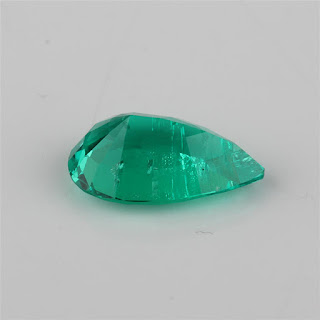
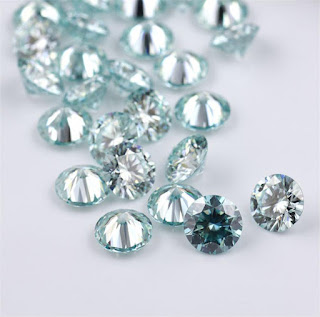
- Pair S925 with lab-grown diamonds, moissanite, or hydrothermal emeralds for a premium look at a fraction of mined-stone prices.
- Verify that the stones are set without nickel-containing adhesives or backing foils.
- For pavé and channel settings, confirm that the prongs and beads are also S925, not a nickel alloy.
- Consider the overall weight and comfort — S925 is lighter than gold, which many customers prefer for daily wear.
Why This Matters
The metal isn't the only potential source of irritation. Some jewelry uses nickel-containing adhesives to hold stones in place, or nickel-based backing plates behind pave stones. These hidden components can cause contact dermatitis even when the visible metal is S925.
Choosing a manufacturer who produces the entire piece — from the Diamond Jewelry settings to the stone placement — gives you more control over what touches the skin. A vertically integrated supplier can document every material in the piece, not just the main alloy.
For engagement and wedding rings, this is especially important. These pieces are worn continuously, often for decades. A bride with sensitive skin doesn't want to discover on day three that her ring causes a rash. S925 with lab-grown stones offers an affordable, hypoallergenic alternative to platinum or high-karat gold, which are also hypoallergenic but cost significantly more.
Common Mistakes to Avoid
- Ignoring hidden metal components: Prongs, posts, and earring backs must also be nickel-free.
- Assuming all stones are inert: While diamonds and moissanite are chemically inert, some treated stones may have surface coatings that irritate skin.
- Overlooking earring posts: For earrings, the post is the part in direct contact with the piercing. It must be S925 or better.
Step 4 — Source from a Manufacturer Who Specializes in S925
What to Do
- Look for a supplier with dedicated S925 production lines and documented quality control.
- Request samples of multiple pieces — rings, earrings, necklaces — and wear-test them yourself if possible.
- Ask about their plating process, alloy sourcing, and whether they offer rhodium re-plating services.
- Check their delivery times and minimum order quantities. A manufacturer who can ship in 2–4 days with expedited couriers like DHL or FedEx is a practical partner for time-sensitive launches.
Why This Matters
Not all "sterling silver" jewelry is created equal. A manufacturer who specializes in S925 will have refined their alloy, plating, and finishing processes over years of production. They'll also be able to provide documentation that protects you if a customer claims an allergic reaction.
When you source from a specialist, you're buying more than metal. You're buying traceability. You can tell your customers exactly what's in the piece and why it's safe for sensitive skin. That transparency builds trust, and trust builds repeat business.
For bridal and fine jewelry lines, consider a manufacturer who offers complete Jewelry Set options — matching engagement rings, wedding bands, and earrings in the same S925 alloy. This ensures consistency across the set, so a customer who tolerates the ring will also tolerate the earrings.
Common Mistakes to Avoid
- Choosing the cheapest supplier: Low cost often means nickel alloy or thin plating.
- Skipping the sample order: Never commit to bulk before wearing and testing samples.
- Ignoring after-sales support: A good manufacturer will help you handle returns and customer complaints about skin reactions.
Step 5 — Educate Your Customers and Set Clear Expectations
What to Do
- Include material composition on every product page — "S925 sterling silver, rhodium-plated, nickel-free."
- Explain what S925 means in plain language: 92.5% silver, 7.5% copper.
- Advise customers on care — remove jewelry before swimming, showering, or applying lotion.
- Offer a clear return policy for customers who experience skin irritation.
Why This Matters
Hypoallergenic S925 jewelry matters for sensitive skin customers only if those customers know it exists and trust the claim. Clear labeling and honest communication turn a technical specification into a selling point.
Many customers have been burned before — literally. They've bought "hypoallergenic" pieces that turned their ears green or their fingers red. When you provide verifiable information about your S925 content, you differentiate yourself from every vague "nickel-free" claim on the market.
This is also where your S925 Jewelry catalog becomes a strategic asset. By curating a dedicated collection of S925 pieces, you signal to sensitive-skin customers that you understand their problem and have solved it. That's a powerful positioning in a market where most brands treat hypoallergenic as an afterthought.
Common Mistakes to Avoid
- Overpromising: No metal is 100% allergy-proof for every person. Say "hypoallergenic" not "allergy-free."
- Hiding the care instructions: Tarnish is natural. Customers who don't care for S925 will blame the product.
- Ignoring feedback: If multiple customers report reactions, test your batch. Something may have changed in production.
Pro Tips for Success
- Offer a "sensitive skin" filter on your website: Let customers browse only nickel-free, S925, and rhodium-plated items.
- Bundle care products: Sell a silver polishing cloth with every S925 order. It reduces tarnish complaints and increases average order value.
- Use XRF testing on incoming batches: A handheld XRF analyzer costs a few thousand dollars and pays for itself by catching bad batches before they reach customers.
- Document everything: Keep certificates of composition for every batch. If a customer claims a reaction, you can respond with data, not excuses.
- Consider rhodium re-plating as a service: Offer it at cost to customers with heavily worn pieces. It's a loyalty builder.
Frequently Asked Questions
Is S925 sterling silver safe for sensitive skin?
For the vast majority of people with metal allergies, yes. S925 sterling silver contains 92.5% silver and 7.5% copper, neither of which is a common allergen. The key is ensuring the alloy contains no nickel. Always verify with your supplier and look for rhodium plating for an extra barrier.
What is the difference between S925 and 925?
There is no difference. Both terms indicate 92.5% pure silver content. "S925" is common in Asian and European markets, while "925" or "sterling" is more common in the US and UK. Both refer to the same alloy.
Can rhodium plating wear off and cause reactions?
Yes. Rhodium plating typically lasts 6 to 12 months on daily-wear rings. Once it wears off, the underlying S925 is exposed. If the alloy is genuinely nickel-free, this shouldn't cause a reaction. If it does, the piece may not be true S925.
How do I know if a supplier's S925 is truly nickel-free?
Ask for a material certificate or alloy breakdown. For large orders, have samples independently tested using XRF analysis. A reputable manufacturer will provide documentation without hesitation.
Are lab-grown diamond and moissanite settings in S925 durable?
Yes. Lab-grown diamonds and moissanite are both harder than many natural gemstones — moissanite ranks 9.25 on the Mohs scale, second only to diamond at 10. Set in S925, they're suitable for daily wear, though S925 is softer than platinum or 14k gold and may show scratches over time.
Conclusion
Hypoallergenic S925 jewelry matters for sensitive skin customers because it solves a real, widespread problem without the premium price tag of platinum or high-karat gold. Nickel allergy affects a significant portion of the population, and most fashion jewelry on the market simply isn't safe for them. S925 sterling silver, properly alloyed and finished, offers a practical, affordable, and genuinely hypoallergenic alternative.
The approach outlined here — verify the alloy, understand the plating, choose compatible stones, source from a specialist, and educate your customers — turns a technical detail into a competitive advantage. You're not just selling jewelry; you're selling freedom from rashes, itching, and the frustration of beautiful pieces that can't be worn.
Start by requesting samples from a manufacturer who specializes in S925 production. Wear-test them, verify the composition, and then build a dedicated collection for sensitive-skin customers. The demand is there, and the solution is clear. All that's left is to act.

评论
发表评论