S925 Wedding Ring Customization Options for Wholesale Bridal Collections
S925 Wedding Ring Customization Options for Wholesale Bridal Collections
S925 wedding ring customization options for wholesale bridal collections go far beyond picking a band and a stone. Wholesale buyers face a specific problem: how do you build a bridal line that feels fresh, hits multiple price points, and still meets quality expectations from retail customers? Traditional sterling silver suppliers offer limited shapes and generic designs. That approach no longer works when brides arrive at your store with screenshots of trending styles and specific stone preferences.
This tutorial walks you through the full customization workflow — from selecting the right S925 base metal and stone options to finalizing CAD files and production timelines. It is written for jewelry brand owners, boutique retailers, and e-commerce sellers who buy wedding bands in bulk and need OEM support. You will learn exactly what to specify, what questions to ask your manufacturer, and how to avoid the costly mistakes that eat into wholesale margins.
Key Takeaways
- S925 sterling silver provides an affordable base for bridal rings while allowing rhodium plating for a white-gold look.
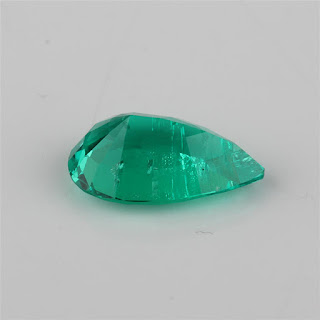
- Lab-grown diamonds, moissanite, and hydrothermal emeralds give you three distinct price tiers within one bridal collection.
- CAD confirmation before production prevents 80% of common design errors in wholesale orders.
- Minimum order quantities and delivery timelines of 2–4 days shape your inventory planning.
- Mixing classic and contemporary silhouettes lets you serve both traditional and modern brides.
What You Need Before Starting
Before you contact a manufacturer, gather your design direction and technical requirements. Wholesale customization moves fast, and incomplete briefs cause delays.
- Design references: Collect 5–10 images of ring styles you want to adapt. Note the band width, stone setting type, and profile shape.
- Stone selection: Decide which stones your collection will feature. Options include lab-grown diamonds from 0.003ct melee up to 2ct and larger, moissanite in round, oval, pear, cushion, princess, emerald cut, asscher, heart, marquise, radiant, trapezoid, and baguette shapes, plus lab-grown emeralds, sapphires, rubies, and spinel.
- Budget per piece: Know your target landed cost. This determines whether you use melee diamonds, moissanite, or cubic zirconia.
- Production timeline: Confirm whether you need standard delivery or expedited shipping via DHL or FedEx. The manufacturer states a delivery time of 2–4 days, which is unusually fast for custom bridal work.
- Branding requirements: Decide if you need custom stamps, engraving, or packaging.
Before starting, ensure you have access to a manufacturer that handles both stone supply and ring production under one roof. A supplier like Starsgem offers lab-grown diamonds, moissanite, and hydrothermal emeralds, which simplifies your sourcing. You can review their Engagement Ring lineup to see how stone shapes and settings translate into finished pieces.
Step 1 — Choose Your S925 Base and Plating Strategy
What to Do
- Specify S925 sterling silver — 92.5% pure silver alloyed with copper for strength.
- Select a plating finish: rhodium plating for a bright white look, or leave it unplated for a warmer silver tone.
- Decide on band width — typical bridal bands range from 1.5mm to 4mm, with 2mm being the most common wholesale choice.
- Choose a profile: flat, domed, comfort-fit, or knife-edge. Comfort-fit bands have a rounded interior that feels better for daily wear.
Why This Matters
S925 silver is the workhorse of affordable bridal jewelry. It gives you the visual weight of white gold at a fraction of the cost. Rhodium plating adds a mirror-like finish and protects against tarnishing, which matters for rings worn daily. For wholesale collections, standardizing on one plating type across your line simplifies quality control and keeps your supplier's production efficient.
Common Mistakes to Avoid
- Skipping rhodium plating: Unplated silver tarnishes faster, and retail customers will return rings within months.
- Specifying ultra-thin bands under 1.5mm: They bend out of shape during sizing and cause high replacement rates.
- Ignoring profile comfort: A flat band may look elegant but feels uncomfortable for all-day wear, hurting your return rate.
Step 2 — Select Stones by Price Tier and Style
What to Do
- Map your collection into three tiers: entry-level with cubic zirconia, mid-range with moissanite, and premium with lab-grown diamonds.
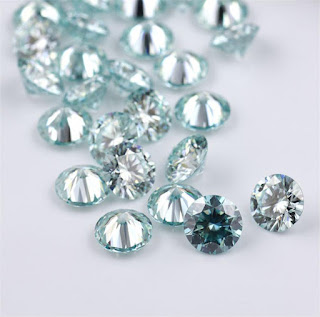
- For lab-grown diamonds, choose from round melee (0.003ct–0.15ct), round stones (0.15ct–2ct and up), and fancy shapes including oval, pear, cushion, princess, emerald cut, asscher, heart, marquise, baguette, trapezoid, and radiant.
- For moissanite, select from the same shape range — round, oval, pear, cushion, princess, emerald cut, asscher, heart, marquise, radiant, trapezoid, and baguette — plus special cuts.
- Consider lab-grown colored gems like emerald, sapphire, ruby, spinel, and alexandrite for accent stones or center stones in fashion-forward bridal lines.
Why This Matters
Stone choice drives both your cost structure and your market positioning. Moissanite offers a brilliance close to diamond at roughly a fraction of the price, making it ideal for brides who want the look without the investment. Lab-grown diamonds appeal to customers who insist on a real diamond but want an ethical, lower-cost option. According to industry data, lab-grown diamonds typically retail for 30–40% less than mined diamonds of comparable quality, though exact figures vary by carat weight and cut. Hydrothermal emeralds and other lab-grown gems let you differentiate your bridal line with colored accents that mined stone supply cannot reliably deliver.
Common Mistakes to Avoid
- Mixing stone qualities within one tier: Inconsistent color or clarity across your wholesale batch leads to customer complaints.
- Choosing fancy shapes without checking availability: Some shapes have longer lead times. Confirm stock before finalizing your collection.
- Overlooking melee sizing: Melee diamonds from 0.003ct to 0.15ct are used for pave and halo settings — specify the exact size range for consistent stone alignment.
Step 3 — Finalize Ring Style and Setting Type
What to Do
- Choose your ring category: solitaire, tension, pave, vintage, channel-set, halo, side-stone, three-stone, classic wedding rings, eternity rings, stackable rings, anniversary rings, or carved rings.
- Select the setting style for your center stone — prong, bezel, or channel.
- Decide on accent stone layout: pave along the band, halo around the center, or channel-set stones on the shoulders.
- For eternity rings, specify whether you want full eternity (stones around the entire band) or half eternity (stones across the top only).
Why This Matters
The setting type determines both the visual character of the ring and its manufacturing complexity. Pave settings require precise melee stone placement, while channel settings protect stones better for active wearers. Three-stone rings and halo designs remain perennial favorites in bridal collections because they offer maximum sparkle per carat. Your manufacturer's existing Wedding Ring catalog can serve as a starting point — many wholesale buyers adapt an existing style rather than designing from scratch, which reduces sampling costs.
Common Mistakes to Avoid
- Designing settings that are too complex for S925: Intricate filigree works better in gold. Silver is softer, so keep structural elements simple.
- Choosing pave for active lifestyles: Pave stones can loosen with heavy impact. Recommend channel or bezel settings for clients with hands-on jobs.
- Ignoring stone-to-band proportion: A 2ct center stone on a 1.5mm band looks top-heavy and risks damaging the band.
Step 4 — Review CAD Files and Approve Samples
What to Do
- Request CAD renderings for every SKU in your collection before production.
- Check band width, stone size, setting height, and overall proportions against your original specs.
- Approve a physical sample in S925 before committing to the full wholesale run.
- Confirm the stone count per ring — especially for pave and eternity styles where miscounts are common.
- Verify the plating thickness and finish on the sample.
Why This Matters
CAD approval is your last chance to catch errors before they multiply across hundreds of pieces. A single proportion mistake in the CAD file becomes a batch-wide defect. Physical samples matter because CAD renderings can flatter a design — the actual weight and feel of the ring only become clear in hand. This step protects your margin and your brand reputation.
Common Mistakes to Avoid
- Skipping the physical sample: Digital approval alone misses weight, balance, and finish issues.
- Not checking stone security: Ask the manufacturer to confirm stone retention settings, especially for pave and channel work.
- Approving vague specs: "About 2mm" is not a specification. Use exact measurements with tolerances.
Step 5 — Plan Your Order Volume and Delivery
What to Do
- Confirm the minimum order quantity for each SKU with your manufacturer.
- Calculate your inventory needs based on your retail sell-through rate — typically 3–6 months of projected sales for bridal lines.
- Choose standard delivery or expedited shipping via DHL or FedEx based on your launch date.
- Plan for the manufacturer's stated delivery time of 2–4 days, which allows for rapid restocking.
- Request a production schedule that staggers deliveries if you are launching multiple styles at once.
Why This Matters
Wholesale bridal inventory ties up capital. Ordering too much of a slow-moving style locks your money into unsold stock. Ordering too little means stockouts during peak wedding season. The 2–4 day delivery window gives you flexibility to test styles with smaller initial orders and reorder fast-moving designs quickly. Expedited shipping via DHL or FedEx adds cost but can save a launch if you are behind schedule.
Common Mistakes to Avoid
- Ordering a full year of inventory upfront: Trends shift. Start with a smaller run and reorder.
- Ignoring seasonal demand: Wedding season peaks from May to October in many markets — time your orders accordingly.
- Not confirming shipping terms: Clarify whether the 2–4 day timeline includes production or only shipping.
Step 6 — Build a Cohesive Bridal Collection
What to Do
- Create a collection matrix that pairs engagement rings with matching wedding bands.
- Include at least one classic option, one halo or pave option, and one three-stone or vintage option.
- Offer each style in at least two stone tiers — for example, moissanite and lab-grown diamond.
- Add stackable rings as an upsell category for brides who want a custom look.
- Ensure your Classic Wedding Rings range covers the traditional brides who want timeless, simple bands.
Why This Matters
A cohesive collection sells better than a random assortment. Brides often buy an engagement ring and wedding band together, so your line needs matching sets. Offering price tiers within the same design lets you capture both budget-conscious and premium customers without doubling your design work. Stackable rings extend the sale after the wedding — a growing trend in bridal jewelry. Relevant specifications and application guidance are available through Classic Wedding Rings.
Common Mistakes to Avoid
- Designing mismatched sets: The engagement ring and wedding band must sit flush together.
- Ignoring the men's market: Classic plain or channel-set bands for grooms round out your wholesale offering.
- Overloading the line: 10–15 well-executed SKUs outperform 40 mediocre ones.
Pro Tips for Success
- Standardize your stone specs: Create a spec sheet listing exact carat weights, shapes, and qualities for every SKU. Send this with every order to prevent drift between batches.
- Ask for stone certificates: Lab-grown diamonds and moissanite should come with grading documentation. This adds credibility when you sell to retail customers.
- Test plating durability: Rhodium plating wears off over time. Ask your manufacturer about plating thickness — 0.5 to 1 micron is typical for jewelry, and thicker plating lasts longer.
- Request packaging options: Wholesale buyers often need branded boxes. Confirm whether your manufacturer offers custom packaging or if you need a separate supplier.
- Build a reorder buffer: Because delivery takes only 2–4 days, you can run leaner inventory than with overseas suppliers that need 4–6 weeks.
Frequently Asked Questions
What does S925 mean in wedding rings?
S925 refers to sterling silver with 92.5% pure silver content, alloyed with 7.5% other metals — usually copper — for strength. It is the standard grade for silver jewelry and is commonly rhodium-plated in bridal rings to create a white-gold appearance and prevent tarnishing.
Can I mix moissanite and lab-grown diamonds in one ring?
Yes. Many wholesale bridal collections use a lab-grown diamond center stone with moissanite accent stones, or vice versa. This approach balances cost and brilliance. Just confirm with your manufacturer that the stones are matched for color and size consistency.
What is the typical minimum order quantity for custom S925 wedding rings?
Minimum order quantities vary by manufacturer and design complexity. Simple classic bands may have lower minimums, while intricate pave or eternity designs require larger orders. Contact your manufacturer directly to confirm MOQs for your specific designs.
How long does customization take?
The manufacturer states a delivery time of 2–4 days, with expedited shipping available via DHL or FedEx. However, this timeline typically applies after design approval. CAD development and sampling add extra days, so plan your launch date accordingly.
Are lab-grown diamonds suitable for daily-wear wedding rings?
Yes. Lab-grown diamonds have the same hardness (10 on the Mohs scale) and durability as mined diamonds. They are suitable for daily wear, and their lower cost makes them an attractive option for brides who want a larger stone within budget.
Conclusion
S925 wedding ring customization options for wholesale bridal collections give you a practical path to a competitive product line without the capital burden of precious metal inventory. By standardizing your base metal and plating, tiering your stone choices across lab-grown diamonds, moissanite, and colored lab gems, and locking down CAD approvals before production, you protect both quality and margin. The manufacturer's 2–4 day delivery window and expedited shipping via DHL or FedEx mean you can test styles with smaller orders and scale fast-moving designs quickly.
Start by defining your collection matrix — three to five styles across two price tiers. Request CAD files and physical samples before committing to volume. Then place your first order and track sell-through rates to guide reorders. This approach turns S925 wedding ring customization from a sourcing headache into a repeatable, profitable process for your bridal business.

评论
发表评论