S925 Wedding Ring Buying Guide for Couples and Jewelry Retailers
S925 Wedding Ring Buying Guide for Couples and Jewelry Retailers
Sterling silver Wedding Rings—marked S925—offer couples an accessible entry point into fine jewelry, and retailers a fast-moving inventory category. But the market is crowded with inconsistent quality, vague alloy claims, and stones that don't match their descriptions. This S925 wedding ring buying guide walks through the practical decisions: what the 925 stamp actually guarantees, how to evaluate stone quality, and how to source reliably for retail. Written for engaged couples and jewelry buyers alike, it covers alloy standards, stone selection, sizing, and the wholesale workflow that keeps margins healthy.
Key Takeaways
- S925 means 92.5% pure silver; the remaining 7.5% is typically copper for hardness.
- Lab-grown diamonds and moissanite deliver brilliance at a fraction of mined-stone retail prices.
- Certification documents—not verbal claims—separate reputable suppliers from the rest.
- Retailers should verify plating thickness and stone grade before committing to bulk orders.
- Delivery timelines of 2–4 days are achievable with expedited DHL or FedEx shipping.
What You Need Before Starting
Before you buy or stock S925 wedding rings, gather a few essentials. A jeweler's loupe with 10x magnification lets you inspect stone settings and hallmarks up close. A digital caliper helps verify band width and thickness against the spec sheet. For retailers, a sample order—even five pieces—reveals far more than a catalog photo ever will. Relevant specifications and application guidance are available through Classic Wedding Rings.
You also need a working understanding of the S925 standard. The 925 hallmark indicates 92.5% pure silver alloyed with 7.5% other metals, most commonly copper. This composition is defined under ISO 9202 and enforced by hallmarking bodies in the UK, EU, and many other markets. Pure silver (99.9%) is too soft for daily-wear rings; the alloy adds the hardness needed for prongs and band integrity.
For stones, decide early whether you're sourcing lab-grown diamonds, moissanite, or both. Each has different pricing, optical properties, and resale narratives. Couples should set a budget range before browsing; retailers should define target price points per SKU. Finally, confirm your supplier's shipping terms—expedited DHL or FedEx delivery in 2–4 days is standard for established manufacturers, but confirm it in writing before committing.
Step 1 — Verify the S925 Alloy and Plating Quality
What to Do
- Check for a visible 925, S925, or Sterling hallmark on the inner band.
- Ask the supplier for the alloy composition—silver content, copper percentage, and any trace metals.
- For white or rhodium-plated rings, request the plating thickness in microns.
- Inspect the band edge under magnification for roughness, pits, or uneven surfaces.
Why This Matters
The hallmark is your first line of defense. A genuine S925 ring contains 92.5% silver by weight, per ISO 9202. Plating matters just as much. Rhodium plating, typically 0.5–1.5 microns thick, protects silver from tarnishing and gives a bright white finish. Thinner plating wears off in months; thicker plating lasts years. A reputable manufacturer will state plating specs without hesitation.
Common Mistakes to Avoid
- Assuming all 925 stamps are equal: Some low-cost factories stamp 925 on silver-plated base metal. Test with a silver acid test kit or a reputable assay office.
- Ignoring plating thickness: A ring with 0.1 micron plating will look dull and yellow within weeks of daily wear.
- Skipping the sample order: Retailers who buy sight-unseen from overseas catalogs often discover quality issues only after 500 units arrive.
Step 2 — Choose the Stone: Lab-Grown Diamond vs. Moissanite
What to Do
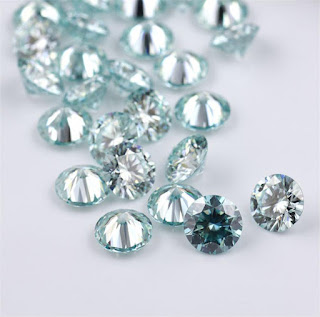
- Compare the optical properties—lab-grown diamonds and moissanite both offer high brilliance, but moissanite has higher fire (dispersion) at 0.104 versus diamond's 0.044.
- Review the color grade range available. Lab-grown diamonds come in D–Z color grades; moissanite typically ranges from colorless to near-colorless.
- Check carat weight options. For melee stones, look for rounds from 0.003ct to 0.15ct; for center stones, 0.15ct up to 2ct and beyond.
- Request grading reports for any center stone above 0.5ct.
Why This Matters
Stone choice drives both aesthetics and price. Lab-grown diamonds are chemically identical to mined diamonds—same hardness (10 on Mohs scale), same refractive index (2.42). Moissanite measures 9.25 on Mohs and offers a different sparkle profile that many buyers love. For an S925 wedding ring, the stone is often the most expensive component, so the decision deserves deliberate comparison.
Common Mistakes to Avoid
- Confusing moissanite with cubic zirconia: CZ is a simulant with hardness of 8–8.5 and noticeably lower brilliance. Moissanite is a gemstone in its own right.
- Skipping certification for larger stones: A 1ct lab-grown diamond without a grading report is a liability. Demand documentation.
- Overlooking melee quality: Small stones (0.003–0.15ct) set the overall sparkle. Poorly cut melee looks dull even in a well-made band.
Step 3 — Select the Ring Style and Setting
What to Do
- Match the setting to the wearer's lifestyle—pave and halo settings catch on fabrics; solitaire and channel-set styles are more practical.
- Decide between classic wedding rings, eternity rings, and stackable designs based on the couple's preference.
- For retailers, review the full catalog range: solitaire, tension, pave, vintage, channel-set, halo, side-stone, three-stone, and carved options.
- Confirm the band width—typically 1.5mm to 4mm for women's rings, 4mm to 6mm for men's.
Why This Matters
Style determines durability. A pave band with dozens of tiny stones requires secure settings; a channel-set design protects stones better for daily wear. For couples, the ring must survive decades of hand washing, typing, and gym sessions. For retailers, offering a range of styles—from minimal solitaires to ornate vintage pieces—covers more customer preferences and increases average order value.
Common Mistakes to Avoid
- Choosing high-maintenance settings for active lifestyles: Halo rings with fine prongs need regular inspection and occasional re-tipping.
- Ignoring resizing limitations: Eternity rings with stones around the full circumference cannot be resized easily. Consider this before purchase.
- Stocking only one style: A retailer with only solitaires loses customers seeking vintage or stackable options.
Step 4 — Get the Sizing Right
What to Do
- Measure the finger at the end of the day when hands are warmest—fingers swell during the day.
- Use a ring sizer tool or a printable sizing chart from a reputable source.
- Account for band width: wider bands fit tighter, so size up by half a size for bands above 5mm.
- For retailers, stock the most common sizes (US 6–8 for women, 9–11 for men) and offer resizing services.
Why This Matters
Sizing errors cause returns, exchanges, and unhappy customers. A ring that fits perfectly in the morning may feel tight after exercise or in warm weather. The difference between a comfortable fit and a painful one is often just half a size. Retailers who offer free resizing within 30 days build trust and reduce friction at the point of sale.
Common Mistakes to Avoid
- Measuring cold fingers: Cold hands shrink; you'll order a size too small.
- Ignoring knuckle size: If knuckles are significantly larger than the finger base, consider a comfort-fit band or a slightly larger size with a sizing bead.
- Assuming international sizes are identical: US, UK, EU, and Japanese sizing systems differ. Always convert accurately.
Step 5 — Source from a Reliable Manufacturer
What to Do
- Verify the manufacturer's B2B and OEM capabilities—can they produce custom designs to your spec?
- Confirm delivery timelines: 2–4 days with expedited DHL or FedEx shipping is a strong indicator of an efficient operation.
- Request certificates of authenticity for lab-grown diamonds and moissanite.
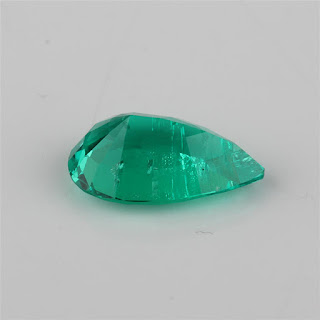
- Review their product range: a manufacturer offering lab-grown diamonds, moissanite, and hydrothermal emeralds demonstrates material versatility.
Why This Matters
Your supplier determines your quality ceiling. A manufacturer with in-house production and a broad stone inventory can fulfill custom orders without outsourcing delays. For retailers, a reliable partner means consistent quality across batches, which protects your brand reputation. For couples, buying from a manufacturer that also supplies jewelry businesses often means better pricing than retail.
Common Mistakes to Avoid
- Choosing price over reliability: The cheapest quote often comes with the longest lead times and the most quality surprises.
- Skipping the registration process: Many B2B manufacturers require registration without obligation—it's free and gives you access to wholesale pricing.
- Ignoring communication quality: A supplier who responds slowly during the sales process will be worse during production.
Step 6 — Plan for Certification and Documentation
What to Do
- Request grading reports for any lab-grown diamond above 0.5ct.
- Verify moissanite certificates include carat weight, color grade, and cut quality.
- For S925 silver, ask for alloy composition documentation and hallmarking certificates.
- Keep all documentation for retail customers—it builds trust and justifies pricing.
Why This Matters
Certification separates legitimate products from counterfeits. A lab-grown diamond without a grading report could be anything. Moissanite without documentation might be CZ in disguise. For retailers, passing certification documents to end customers creates a transparent buying experience that encourages repeat business.
Common Mistakes to Avoid
- Trusting verbal claims: Always request written documentation.
- Ignoring hallmarking requirements: Some markets legally require hallmarks on silver jewelry. Verify your target market's regulations.
- Skipping documentation for melee stones: Even small stones should come with batch certificates.
Pro Tips for Success
- Order samples before bulk: A $50 sample order saves thousands in bad inventory.
- Match stone size to band width: A 0.15ct stone on a 2mm band looks elegant; the same stone on a 6mm band looks lost.
- Consider stackable rings: They're trending and let customers build their own look—a natural upsell.
- For retailers, track return reasons: If sizing errors dominate, adjust your size guide or offer free resizing.
- Ask about custom OEM options: Many manufacturers, including Starsgem, produce custom designs for wholesale buyers.
Frequently Asked Questions
Is S925 silver good for everyday wedding rings?
Yes, S925 sterling silver is durable enough for daily wear when properly alloyed and plated. Rhodium plating adds scratch and tarnish resistance. Expect to re-plate every 1–2 years with heavy wear. For those with active lifestyles, consider a thicker band or a more protective setting.
How do lab-grown diamonds compare to mined diamonds in S925 rings?
Lab-grown diamonds are chemically, physically, and optically identical to mined diamonds—both score 10 on the Mohs hardness scale. The difference is origin and price. Lab-grown stones typically cost 30–40% less than comparable mined diamonds, making them a smart choice for S925 wedding rings.
Can retailers order custom S925 wedding ring designs?
Yes. Most B2B manufacturers offer OEM services for custom designs. You provide the design or spec, and the manufacturer handles production. Custom orders typically require a minimum quantity, so confirm the MOQ before starting. Registration on the manufacturer's site is usually required for wholesale pricing.
Conclusion
This S925 wedding ring buying guide covers the essentials: alloy verification, stone selection, style matching, sizing accuracy, and supplier reliability. The approach works because it prioritizes verifiable facts—hallmarks, certifications, plating specs—over marketing claims. For couples, that means a ring that looks beautiful and lasts. For retailers, it means inventory that sells and a supplier relationship that holds up under pressure.
Start by verifying your current supplier's documentation. If gaps exist, order samples from a manufacturer with transparent specs and fast delivery. Starsgem offers lab-grown diamonds, moissanite, and hydrothermal emeralds with 2–4 day expedited shipping. Before you commit, explore their Engagement Ring collection for design inspiration, then review the Wedding Ring range for matching bands. Retailers should also browse the Classic Wedding Rings category—it covers the timeless styles that move fastest in any market.

评论
发表评论