S925 Jewelry vs Stainless Steel: Durability, Value, and Target Customers
S925 Jewelry vs Stainless Steel: Durability, Value, and Target Customers
Introduction
If you are sourcing jewelry for a retail brand, an e-commerce store, or a wedding collection, the metal choice often comes down to two practical contenders: S925 sterling silver and 316L stainless steel. Both are affordable, widely available, and work well with lab-grown diamonds, moissanite, and colored gemstones. But they behave very differently on the wrist, in the workshop, and in the customer's daily routine.
This comparison focuses on structural differences — hardness, tarnish resistance, weight, finishing options, and price per gram. We will not tell you one is "better." Instead, we will map each metal to the customer profile that fits it best. By the end, you should know which alloy to spec for a bridal line, which one suits fashion-forward daily wear, and how each affects your margin and your quality control process.
Key Takeaways
- S925 sterling silver offers a bright white luster and is easier to resize, but it tarnishes and requires rhodium plating for longevity.
- 316L stainless steel is harder, hypoallergenic, and virtually maintenance-free, but it is difficult to resize and limits stone-setting options.
- Target customers differ sharply: silver appeals to bridal and formal buyers; steel suits active, budget-conscious, and fashion-driven shoppers.
- Both metals pair well with lab-grown diamonds and moissanite, which lets you control stone cost while offering premium aesthetics.
- Your choice affects production lead time, plating requirements, and after-sales service — not just the look of the finished piece.
How to Evaluate S925 Jewelry vs Stainless Steel
Different metals solve different problem layers. Before comparing specific products, build a framework around four factors:
- Durability: Does the metal withstand daily wear, scratches, and chemical exposure without losing its finish?
- Workability: Can your factory cast, set stones, resize, and repair the piece without specialized equipment?
- Cost structure: What is the raw material price, and what hidden costs come from plating, polishing, or reject rates?
- Customer perception: Does the buyer perceive the metal as premium, casual, or disposable?
Keep these four lenses in mind. They explain why a metal that fails in one category can still dominate another.
S925 Sterling Silver — The Bridal and Formal Standard
What it is: S925, also known as sterling silver, is an alloy of 92.5% pure silver and 7.5% other metals, usually copper. The copper adds hardness, since pure silver (99.9%) is too soft for jewelry that must hold stones securely. Main strength: Its bright, white reflectance closely mimics white gold at a fraction of the cost. This makes it the default choice for engagement rings and wedding bands when the budget does not stretch to platinum or 18K gold. Silver also responds well to traditional jewelry-making techniques — casting, soldering, and stone setting are all straightforward. Best for: Bridal collections, formal occasion pieces, and customers who expect a classic, high-polish look. If your line features lab-grown diamonds or moissanite in solitaire or halo settings, silver provides an affordable carrier that does not distract from the stone. Not ideal for: Customers with active lifestyles. Silver is soft — on the Mohs scale it sits around 2.5 to 3 — so it scratches easily. It also tarnishes when exposed to sulfur compounds in air, sweat, and cosmetics. Without rhodium plating, a silver ring can dull within weeks of daily wear. Key difference from stainless steel: Silver is workable and resizable; steel is not. A jeweler can adjust a silver ring size in minutes. With steel, resizing is impractical, and most manufacturers simply replace the piece. That difference matters for after-sales service.For a full range of silver-based bridal and fashion pieces, browse the S925 Jewelry collection, which includes rings, earrings, and pendants designed for wholesale and OEM orders.
316L Stainless Steel — The Daily-Wear Workhorse
What it is: 316L stainless steel is a low-carbon steel alloy containing chromium, nickel, and molybdenum. The "L" stands for low carbon, which improves corrosion resistance. The 316 grade is the marine-grade standard, meaning it withstands saltwater and chlorinated environments far better than silver. Main strength: Durability. Steel ranks around 5.5 to 6 on the Mohs scale — roughly twice as hard as silver. It does not tarnish, does not require plating, and is hypoallergenic for the vast majority of wearers. A steel ring can survive years of daily wear, dishwashing, and gym sessions without losing its finish. Best for: Men's wedding bands, fashion rings, and everyday jewelry for customers who want zero maintenance. Steel also suits industrial or minimalist designs where a matte or brushed finish looks intentional. Not ideal for: High-end bridal pieces that require intricate stone settings. Steel's hardness makes it difficult to set small melee diamonds securely. Most steel jewelry uses either prong settings with larger stones or simple designs without pave work. Resizing is also impractical — you would need laser welding equipment, and even then, the result is rarely seamless. Key difference from silver: Steel is a casting and machining metal, not a handcrafting metal. It suits mass production with CNC machining or investment casting, but it does not reward the hand-finishing techniques that give silver pieces their artisanal character.Side-by-Side Comparison
| Factor | S925 Sterling Silver | 316L Stainless Steel |
|---|---|---|
| Silver/Steel content | 92.5% silver, 7.5% copper | ~16-18% chromium, 10-14% nickel, 2-3% molybdenum |
| Mohs hardness | 2.5 – 3 | 5.5 – 6 |
| Tarnish resistance | Low — requires rhodium plating | High — no plating needed |
| Hypoallergenic | Generally yes, but nickel-sensitive buyers may react to alloys | Yes, 316L is medical-grade compatible |
| Resizability | Easy — standard jeweler tools | Difficult — requires laser welding |
| Stone setting | Excellent — supports pave, halo, and micro-setting | Limited — best with simple prongs |
| Weight per piece | Lighter — comfortable for large designs | Heavier — noticeable on the hand |
| Raw material cost | ~$0.70–$0.90 per gram (industry range) | ~$0.10–$0.20 per gram (industry range) |
| Typical retail price point | $50 – $300 | $20 – $150 |
| Best customer | Bridal, formal, classic | Active, casual, budget-conscious |
When You Need More Than a Point Solution
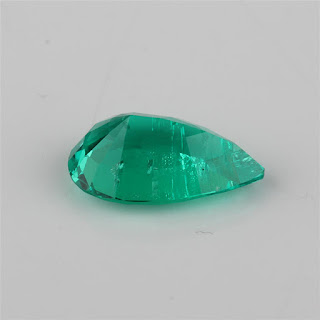
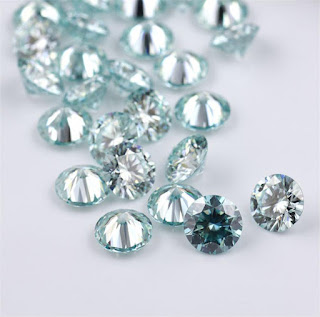
Choosing between silver and steel is only half the decision. The other half is where the stones come from. Both metals pair naturally with lab-grown diamonds, moissanite, and hydrothermal emeralds — stones that deliver the optical performance of mined gems at a controlled cost.
This is where a full-spectrum supplier changes the equation. Instead of sourcing metal from one factory and stones from another, you can consolidate the entire production chain. A manufacturer that casts the setting, cuts the lab-grown diamond, and assembles the finished piece under one roof gives you tighter quality control and shorter lead times.
At Starsgem, the production cycle runs 2 to 4 days for standard orders, with expedited shipping via DHL or FedEx. That speed matters when you are launching a bridal collection on a deadline or restocking a best-selling SKU before a holiday peak.
The catalog covers lab-grown diamonds from 0.003 carat melee up to 2 carats and beyond, in round, oval, pear, cushion, princess, emerald, asscher, heart, marquise, baguette, and trapezoid cuts. Moissanite is available in the same shape range, plus radiant and special cuts. For colored stone work, hydrothermal emerald, lab-grown sapphire, ruby, spinel, and alexandrite round out the palette.
If your line mixes silver and steel pieces, you can order both from one source. The Jewelry Set category includes coordinated bridal sets, matching earring-and-necklace combos, and multi-piece collections that keep your retail assortment consistent.
Which Metal Fits Which Customer
Let us be direct about who buys what.
Silver buyers are typically shopping for a milestone — an engagement, a wedding, an anniversary. They want the piece to look expensive, photograph well, and carry emotional weight. They accept that silver needs occasional polishing or re-plating because the initial price is accessible. They are also more likely to buy a matching Diamond Jewelry piece later, since silver's affordability encourages repeat purchases. Steel buyers are solving a different problem. They want a ring or bracelet that survives their lifestyle without thought. Mechanics, healthcare workers, gym-goers, and outdoor enthusiasts choose steel because it shrugs off abuse. They do not want to remove jewelry before washing hands or swimming. They also tend to buy on impulse — the lower price point makes steel an easy add-on at checkout.There is overlap, of course. A customer might buy a steel everyday band and a silver bridal set. That is exactly why a diversified inventory — and a supplier who handles both metals — gives you a competitive edge.
Production and Quality Control Considerations
From a manufacturing standpoint, the two metals demand different workflows.
Silver requires a rhodium plating step to maintain its white color and prevent tarnish. This adds a day to production and a cost per piece. It also introduces a quality-control variable: plating thickness must be consistent, or the piece will wear through unevenly. Industry-standard rhodium plating is typically 0.1 to 0.5 microns thick, and anything below that range risks premature wear.
Steel skips plating entirely. The finish comes from mechanical polishing or brushing. That simplifies production but creates a different QC challenge: steel's hardness wears out polishing tools faster, and surface scratches are harder to buff out than on silver.
Stone setting also differs. Silver's softness lets setters push metal over stones with hand tools — essential for pave and micro-pave work. Steel requires machine-assisted setting, and even then, the risk of chipping a stone is higher. For this reason, most steel jewelry uses larger stones (0.5 carat and up) in simple four-prong or bezel settings.
FAQ
Does S925 silver turn skin green?Not from the silver itself. Green discoloration comes from copper oxidation, and the 7.5% copper content in sterling silver can react with acidic sweat. Rhodium plating prevents this. If a customer reports green skin, the plating has worn through and needs reapplication.
Is stainless steel jewelry safe for sensitive skin?316L stainless steel is considered hypoallergenic and is commonly used in medical implants. However, a small percentage of people are sensitive to nickel, and 316L contains 10-14% nickel. If you have a customer with severe nickel allergy, consider titanium or 18K gold instead.
Can you put lab-grown diamonds in stainless steel settings?Yes, but choose the setting design carefully. Simple prong settings work well. Avoid pave or channel settings, where steel's hardness makes secure stone placement difficult. For steel pieces, a solitaire with a 0.5 to 1 carat lab-grown diamond is a practical and popular combination.
Which metal holds its value better?Silver has intrinsic scrap value — roughly $0.70 to $0.90 per gram at current industry rates — so a silver piece retains some material worth. Steel has negligible scrap value. Neither metal appreciates like gold, so treat both as fashion materials rather than investments.
How long does rhodium plating last on silver?With daily wear, expect 6 to 12 months before the plating shows wear. Rings wear faster than earrings or pendants because of hand contact. Re-plating is inexpensive and takes a jeweler only a few minutes.
Final Recommendation
Choose S925 silver when your customer wants a classic, bright, formal look and accepts minor maintenance. Choose 316L steel when the priority is durability, zero upkeep, and a lower price point.
For most retailers, the smart move is stocking both. Silver carries your bridal and gifting categories; steel covers everyday and men's lines. With a supplier that handles both metals, lab-grown stones, and finished jewelry assembly, you keep your supply chain simple and your margins predictable.

评论
发表评论