S925 Jewelry Buying Checklist for Wholesale and Custom Orders
S925 Jewelry Buying Checklist for Wholesale and Custom Orders
Sourcing S925 Jewelry for wholesale or custom orders is a different game than buying retail. You're committing capital, setting delivery timelines, and trusting a supplier with your brand's reputation. One bad batch of substandard silver or poorly set stones can cost you more than the invoice — it can cost you repeat customers.
This checklist walks you through the critical decisions: verifying silver purity, choosing the right stones, confirming plating durability, and locking down the paperwork that protects your order. It's written for importers, boutique owners, and jewelry brand founders who need a practical, step-by-step framework before they wire a deposit.
Key Takeaways
- Verify S925 silver content through hallmark stamps and independent testing, not just supplier claims.
- Match stone quality — lab grown diamond, moissanite, or hydrothermal emerald — to your target price point and market.
- Confirm plating thickness and finish type, since rhodium and gold plating wear differently.
- Request a pre-production sample and third-party inspection before mass production begins.
- Lock down delivery terms, lead times, and payment milestones in writing before production starts.
What You Need Before Starting
Before you contact any supplier, get your specifications in order. Vague briefs produce vague results — and in manufacturing, vagueness costs money.
You'll need:
- Target price per piece including stone cost, silver weight, and labor. Know your ceiling before negotiating.
- Stone specifications — type, carat weight, cut, color grade, and clarity. Decide whether you're using lab grown diamonds, moissanite, or hydrothermal emeralds.
- Silver weight per piece — typically 2-5 grams for a simple ring, 8-15 grams for a heavier cuff or statement piece.
- Plating requirements — rhodium, 18k gold, or antique finish. Specify thickness in microns.
- Packaging and branding needs — boxes, pouches, tags, and certificates.
- Target delivery date — build in buffer for revisions and shipping delays.
If you're sourcing complete collections, browse a supplier's existing catalog first. Starsgem offers a full range of Diamond Jewelry options that can serve as a starting point for customization, saving you design fees and development time.
Step 1 — Verify the Silver Is Actually S925
What to Do
- Ask for the supplier's hallmarking certificate and confirm they stamp each piece with "S925" or "925."
- Request a small test sample and have it independently assayed. X-ray fluorescence (XRF) testing is non-destructive and gives you the exact silver content.
- Check the weight. A genuine S925 piece should feel dense. Sterling silver has a density of approximately 10.49 g/cm³, noticeably heavier than plated base metals.
Why This Matters
Sterling silver is an alloy of 92.5% pure silver and 7.5% other metals, usually copper. That copper adds hardness — pure silver is too soft for everyday wear. But some manufacturers cut corners, using lower silver content or copper-heavy alloys that tarnish faster and bend out of shape. ISO 9001-certified factories typically have stricter quality control, but certification alone doesn't guarantee every batch. Independent verification is your safety net.
Common Mistakes to Avoid
- Trusting a stamp alone: Hallmarks can be faked or applied to substandard metal. Always verify with testing.
- Skipping the sample: A photo or video of a finished piece doesn't tell you about metal quality. Order a physical sample.
- Ignoring tarnish resistance: Some S925 alloys include germanium or other anti-tarnish additives. If your market has humid conditions, this matters.
Step 2 — Choose the Right Stones for Your Market
What to Do
- Define your stone budget per piece. Lab grown diamonds cost significantly less than mined diamonds but more than moissanite.
- Match the stone to the setting. Hard stones like moissanite (9.25 on the Mohs scale) suit daily-wear rings. Hydrothermal emeralds (7.5-8 Mohs) need protective settings.
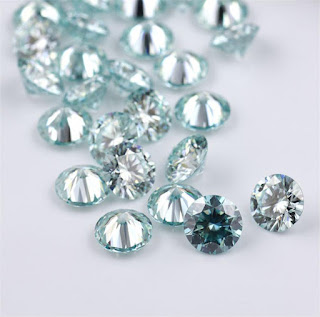
- Request stone certificates for larger stones. For melee (small stones under 0.15ct), ask about color consistency across the batch.
Why This Matters
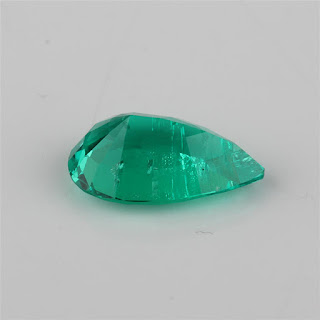
Your stone choice drives both cost and customer satisfaction. Lab grown diamonds offer the same optical properties as mined diamonds — same hardness, same brilliance — at a fraction of the price. Moissanite has higher fire (dispersion) than diamond, which some customers love and others find too flashy. Hydrothermal emeralds are created in laboratories under controlled conditions, giving you consistent color without the inclusions common in natural emeralds.
For mixed collections, consider a Jewelry Set approach — pairing earrings, necklaces, and rings with matching stones ensures color consistency across the line.
Common Mistakes to Avoid
- Mixing stone qualities in one batch: If you order 500 pieces, ensure all stones come from the same production run. Color can vary between batches.
- Ignoring setting security: A beautiful stone is worthless if it falls out. Check prong quality and setting depth on your sample.
- Overlooking stone size tolerance: For melee stones, specify acceptable size variation. A 0.003ct stone that's off by even 0.1mm can affect the setting fit.
Step 3 — Confirm Plating and Finish Specifications
What to Do
- Specify plating type and thickness in microns. Standard rhodium plating is 0.1-0.3 microns; premium is 0.5 microns or more.
- Choose your finish: high polish, matte, brushed, or antique. Each requires different finishing techniques.
- Ask about the plating process — electroplating is standard, but PVD (physical vapor deposition) offers better durability for some finishes.
Why This Matters
S925 silver tarnishes naturally — that's a fact of the metal. Plating slows this process and adds color or shine. Rhodium plating gives a bright white finish that resists tarnish well. Gold plating (often 18k) adds warmth but wears faster on high-contact areas like ring shanks. For custom orders, you need to know exactly what you're getting.
Common Mistakes to Avoid
- Not specifying thickness: "Rhodium plated" without a micron spec can mean anything from a flash coat to a durable layer.
- Forgetting about wear points: Rings and bracelets see more friction than earrings. Consider thicker plating or unplated silver for high-wear items.
- Skipping the tarnish test: Ask your supplier to expose a sample to sulfur or humidity. See how it holds up before committing to a large order.
Step 4 — Request Samples and Approve Before Production
What to Do
- Order a pre-production sample of each SKU. Don't rely on photos.
- Inspect the sample against your spec sheet: weight, dimensions, stone size, plating, and finish.
- Wear-test the sample for a few days. Check for comfort, stone security, and tarnish resistance.
- Get written approval from your team before authorizing mass production.
Why This Matters
A sample is your only true preview of the finished product. It reveals issues that photos hide: rough edges, loose stones, uneven plating, or off-center settings. For custom orders, the sample is also your chance to request adjustments before the factory commits to hundreds of pieces.
Common Mistakes to Avoid
- Skipping the sample to save time: A rushed order that arrives wrong costs more in the long run.
- Approving without wear-testing: A ring that looks perfect in a display case can feel sharp or catch on clothing.
- Not documenting approval: Get written confirmation of your sample approval. This protects you if the production batch differs.
Step 5 — Lock Down Delivery, Payment, and Quality Terms
What to Do
- Confirm lead time in writing. Starsgem quotes 2-4 days for standard production, with expedited shipping via DHL or FedEx.
- Agree on payment milestones — typically 30-50% deposit, balance before shipment.
- Specify inspection rights. You should be able to have a third-party inspector check the goods before they ship.
- Confirm packaging requirements and any certifications that must accompany the shipment.
Why This Matters
Clear terms prevent disputes. If your supplier promises 2-4 day delivery but doesn't commit in writing, you have no recourse when your order arrives late. Payment milestones protect both parties — you don't pay everything upfront, and the supplier isn't working for free. Inspection rights ensure you can catch problems before goods leave the factory.
Common Mistakes to Avoid
- Vague delivery promises: Get specific dates, not "soon" or "ASAP."
- Full payment upfront: A 100% prepayment removes your leverage if quality issues arise.
- Ignoring shipping insurance: High-value jewelry shipments should be insured. Confirm who carries the risk during transit.
Step 6 — Plan for Quality Control and After-Sales
What to Do
- Define acceptable quality levels (AQL) for your order. Standard AQL for jewelry is typically 2.5% major defects, 4.0% minor defects.
- Request photos or video of the finished batch before shipment.
- Establish a return or replacement policy for defective pieces.
- Keep records of all specifications, approvals, and correspondence.
Why This Matters
Even with a good supplier, some defects are inevitable — that's why AQL standards exist. What matters is how those defects are handled. A supplier with a clear replacement policy is a partner; one without one is a risk. Documentation protects you if disputes arise.
Common Mistakes to Avoid
- No AQL agreement: Without defined quality levels, "defective" is open to interpretation.
- Skipping batch photos: A quick video call or photo set can catch obvious issues before shipping.
- No after-sales plan: Decide in advance how you'll handle customer returns or warranty claims.
Pro Tips for Success
- Order a color stone sample set: If you're using lab grown emeralds or sapphires, request a range of shades. Color preferences vary by market — what sells in the US may not sell in Asia.
- Ask about stone sourcing: For S925 jewelry, your supplier's stone quality matters as much as the silver. Starsgem's S925 Jewelry line integrates quality stones with sterling silver settings, giving you a tested starting point.
- Negotiate on volume, not quality: Don't push for cheaper materials. Push for better pricing on larger orders — suppliers have more margin flexibility on quantity.
- Plan for seasonal demand: If you're ordering for holiday sales, add 2-3 weeks of buffer to your timeline. Factories get backed up in Q3 and Q4.
Frequently Asked Questions
How can I verify that my S925 jewelry is genuine sterling silver?
Request an independent XRF test on a sample piece. This non-destructive test measures the exact metal composition. Genuine S925 should show 92.5% silver content. Also check for the "925" hallmark stamp, though this alone isn't proof — always combine stamp verification with testing.
What's the difference between lab grown diamonds and moissanite for S925 settings?
Lab grown diamonds are chemically identical to mined diamonds — same hardness (10 Mohs), same brilliance. Moissanite is a different stone with higher fire (dispersion), giving it a more rainbow-like sparkle. Moissanite is also more affordable. Your choice depends on your target customer and price point.
How long does S925 jewelry last before tarnishing?
Unplated S925 silver tarnishes within weeks to months depending on humidity, skin chemistry, and exposure to sulfur compounds. Rhodium plating extends this significantly — a 0.3-micron rhodium layer can last 6-12 months of daily wear before needing replating. Proper storage in anti-tarnish pouches also extends life.
What is the minimum order quantity for custom S925 jewelry?
MOQs vary by supplier and design complexity. Simple designs may have MOQs of 50-100 pieces; complex custom pieces might require 200-500. Starsgem offers registration without obligation, so you can discuss your specific requirements before committing.
Conclusion
The S925 jewelry buying checklist for wholesale and custom orders comes down to verification at every stage. Verify the silver, verify the stones, verify the plating, verify the sample, and verify the terms. Each step protects your investment and your brand's reputation.
This approach works because it removes assumptions. You're not hoping the supplier delivers quality — you're confirming it at each checkpoint. The upfront effort costs time, but it saves far more in returns, refunds, and lost customers.
Start by defining your specifications and requesting samples from a supplier with a proven track record. Confirm lead times, payment terms, and quality standards in writing. Then scale your order with confidence, knowing your S925 jewelry meets the standards your customers expect.

评论
发表评论