Plain Band, Eternity Band, or Stackable S925 Wedding Ring: How to Choose
Plain Band, Eternity Band, or Stackable S925 Wedding Ring: How to Choose
Introduction
Choosing between a plain band, eternity band, or stackable S925 wedding ring comes down to more than looks. It affects how the ring wears over decades, how it pairs with your Engagement Ring, and how much maintenance it demands. Many buyers pick purely on aesthetics, then discover that a full eternity band with stones all the way around irritates adjacent fingers, or that a plain band feels too sparse next to a detailed engagement setting.
This guide walks through the practical differences—durability, stone security, resizing options, and metal behavior—so you can match the ring style to your lifestyle. It covers the three main categories: plain bands, eternity bands, and stackable S925 rings, with specific attention to lab-grown diamond and moissanite options. Whether you are a jeweler sourcing for inventory or a buyer selecting a personal ring, the decision framework here applies to both.
Key Takeaways
- Plain bands offer maximum durability and easy resizing, ideal for active lifestyles.
- Eternity bands deliver continuous sparkle but require precise sizing and more upkeep.
- Stackable S925 rings provide budget-friendly versatility for mixing metals and stones.
- Lab-grown diamonds and moissanite reduce cost while maintaining optical performance.
- Matching ring profile to engagement ring style prevents comfort and wear issues.
What You Need Before Starting
Before comparing styles, gather a few pieces of information. First, measure your ring size accurately—eternity bands cannot be resized easily, so a half-size error becomes a permanent problem. Second, know your engagement ring's profile: a high-set solitaire pairs differently with a flat band than with a contoured one. Third, decide on your metal preference. Sterling silver (S925) is softer than platinum or 14k gold, which affects how long a plain band keeps its finish.
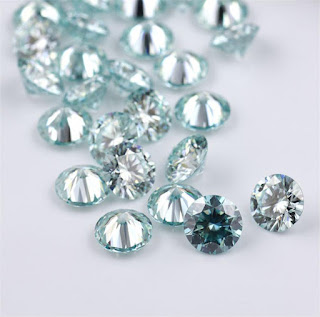
You also need to understand the stone options available. Lab-grown diamonds come in sizes from 0.003ct melee up to 2ct and beyond, while moissanite offers similar brilliance at a lower price point. For a Wedding Ring that will see daily wear, consider stone hardness: diamond ranks 10 on the Mohs scale, moissanite ranks 9.25, and both outperform cubic zirconia, which sits around 8–8.5.
Finally, set your budget range. A plain S925 band costs a fraction of a full eternity ring set with lab-grown diamonds. Knowing your ceiling helps narrow the field before you start comparing specific pieces.
Step 1 — Assess Your Daily Wear Conditions
What to Do
Start by writing down how your hands are used. Do you work with tools, lift weights, or handle chemicals? Are you in healthcare, where gloves are worn for hours? Does your job involve frequent hand washing? Answer these honestly—they determine whether a plain band or a stone-set ring makes sense.
- List your top three daily hand activities.
- Note any exposure to harsh chemicals or abrasive surfaces.
- Estimate how many hours per day you wear rings.
Why This Matters
A plain band, especially in S925 sterling silver, will show scratches and dents faster than a harder metal like platinum. But a plain band has no stones to loosen or fall out. An eternity band with stones set all the way around offers continuous sparkle, but the stones sit at the bottom of the finger where they contact surfaces constantly. Over time, that contact can loosen prongs or chip softer stones.
Industry data from the Gemological Institute of America (GIA) indicates that diamond melee under 0.01ct is more prone to loss in channel settings if the metal wears thin. For daily wearers, a half-eternity band—stones across the top only—balances brilliance with durability.
Common Mistakes to Avoid
- Choosing a full eternity for an active job: Stones on the palm side take constant abuse. A half-eternity or plain band survives longer.
- Ignoring metal hardness: S925 is 92.5% silver, which is softer than 14k gold. If you need scratch resistance, consider a harder metal or accept the patina.
- Skipping prong inspection: Even quality settings need checking every 6–12 months. Budget for that maintenance.
Step 2 — Match the Band to Your Engagement Ring
What to Do
Place your engagement ring on your finger and study the gap between it and your knuckle. Measure the height of the setting. Note whether the band is flat, rounded, or contoured. Then compare that profile to the three band styles.
- Measure the engagement ring's band width.
- Note the setting height above the finger.
- Try on a plain band, then an eternity band, to check for gaps or rubbing.
Why This Matters
A high-set solitaire leaves a gap where a plain band can sit flush. A low-set halo may require a contoured band that curves around the setting. Eternity bands, because of their continuous stone line, often sit higher and can push against an engagement ring's prongs, causing wear on both pieces.
For stackable S925 rings, the flexibility is an advantage—you can add spacers or curved bands to fill gaps. This is why many jewelers recommend starting with a plain band, then adding stackables later once the engagement ring's fit is established.
Common Mistakes to Avoid
- Buying a flat band for a high-set ring: The gap collects dirt and the band spins.
- Choosing a full eternity without trying it beside the engagement ring: The stones can scratch the prongs of the engagement setting.
- Assuming all stackables fit together: Different widths and profiles create uneven stacks. Test them as a set.
Step 3 — Compare Stone Security and Resizing Options
What to Do
Examine how each style handles resizing. Plain bands can be resized up or down by a jeweler with minimal effort. Eternity bands with stones all the way around cannot be resized without removing stones, which compromises the continuous look. Stackable S925 rings are inexpensive enough that resizing or replacing is a minor cost.
- Ask your jeweler about resizing limits for each style.
- Check the setting type: prong, channel, or bezel.
- Verify the stone count and carat weight for eternity bands.
Why This Matters
Channel-set stones, common in eternity bands, are protected on the sides but can loosen if the channel wall wears thin. Bezel settings offer the most protection but cover more of the stone, reducing brilliance. Prong settings maximize light exposure but leave stones vulnerable to snagging.
Lab-grown diamonds in melee sizes (0.003ct–0.15ct) are commonly used in eternity bands because they are uniform and affordable. A full eternity band with 0.05ct stones might contain 30–40 stones, depending on finger size. Each stone adds a potential failure point, so the setting quality matters as much as the stone quality.
Common Mistakes to Avoid
- Assuming all eternity bands are resizable: Full eternity bands are not. Half-eternity bands offer some flexibility.
- Choosing prong settings for an active lifestyle: Bezel or channel settings protect stones better.
- Overlooking stone count: More stones mean more maintenance. A 0.10ct stone band has fewer stones than a 0.03ct band for the same finger size.
Step 4 — Evaluate Metal and Material Options
What to Do
Compare S925 sterling silver against gold and platinum for each band style. Check the alloy composition—S925 means 92.5% silver and 7.5% other metals, usually copper. Understand how each metal reacts to daily wear, chemicals, and skin chemistry.
- Test the metal's weight and feel on your finger.
- Ask about rhodium plating for silver and white gold.
- Consider hypoallergenic options if you have metal sensitivities.
Why This Matters
S925 sterling silver is the most budget-friendly option, but it tarnishes and requires regular polishing. Rhodium plating adds a protective layer but wears off over time, typically within 6–12 months of daily wear. White gold is harder than silver but still needs rhodium plating to maintain its bright white color. Platinum is the most durable but also the heaviest and most expensive.
For stackable rings, S925 is the practical choice—you can build a collection without a large investment. For a single lifetime ring, platinum or 14k gold offers better longevity. The Classic Wedding Rings category includes both plain and stone-set options in various metals, so you can compare within one product line.
Common Mistakes to Avoid
- Choosing S925 for a ring worn 24/7: It will show wear quickly. Reserve it for stackables or occasional wear.
- Skipping rhodium plating on white gold: Unplated white gold looks yellowish.
- Ignoring nickel content: Some white gold alloys contain nickel, which causes reactions in sensitive skin.
Step 5 — Calculate Total Cost of Ownership
What to Do
Add up the initial purchase price, expected maintenance costs, and replacement frequency for each style. Include resizing costs, prong tightening, rhodium replating, and stone replacement. Compare these over a 10-year period.
- Get quotes for each band style.
- Ask about warranty and repair coverage.
- Estimate annual maintenance costs.
Why This Matters
A plain S925 band might cost $30–$80, but it will need polishing or replacement within a few years. A lab-grown diamond eternity band might cost $500–$2,000 but lasts decades with proper care. The total cost of ownership often favors the more expensive initial purchase.
Industry data suggests that rhodium plating costs $40–$80 per application, and most white gold rings need replating every 1–2 years. Over 10 years, that adds $200–$800 to the cost of a white gold ring. Platinum needs no plating but costs 30–50% more upfront than 14k gold.
Common Mistakes to Avoid
- Buying the cheapest option without factoring maintenance: S925 rings need frequent polishing.
- Ignoring resizing costs: Resizing a plain band costs $30–$60; resizing an eternity band is often impossible.
- Forgetting insurance: Insure any ring with significant stone value.
Pro Tips for Success
- Buy a plain band first, then add stackables: This lets you establish the correct fit before committing to a stone-set ring.
- Choose lab-grown diamonds for eternity bands: They offer consistent quality and lower cost than mined diamonds of equivalent size.
- Request a half-eternity if you work with your hands: The stones on the palm side will thank you.
- Verify the setting quality before purchase: Ask about the metal thickness behind channel-set stones—thinner metal means faster wear.
- Consider moissanite for larger stones: At sizes above 0.5ct, moissanite costs significantly less than lab-grown diamonds while offering comparable brilliance.
Frequently Asked Questions
Can an eternity band be resized?
Full eternity bands with stones all the way around cannot be resized without removing stones, which breaks the continuous design. Half-eternity bands can sometimes be resized by a skilled jeweler, but it is risky. Plain bands are the easiest to resize. If you anticipate size changes, choose a plain band or a half-eternity.
Is S925 sterling silver suitable for a daily wedding ring?
S925 is 92.5% silver and is softer than gold or platinum. It will scratch, dent, and tarnish with daily wear. It works well for stackable rings or occasional wear, but for a ring worn every day, consider 14k gold or platinum. Rhodium plating can extend the life of S925 but requires periodic replating.
How do lab-grown diamonds compare to moissanite for eternity bands?
Lab-grown diamonds rank 10 on the Mohs scale and offer the same optical properties as mined diamonds. Moissanite ranks 9.25 and exhibits more fire—colorful flashes of light. For melee sizes under 0.15ct, lab-grown diamonds are cost-effective and uniform. For larger stones, moissanite offers significant savings. Both are durable enough for daily wear.
Conclusion
Choosing between a plain band, eternity band, or stackable S925 wedding ring starts with honest assessment of your daily habits, your engagement ring's profile, and your budget for long-term maintenance. Plain bands offer durability and resizing flexibility. Eternity bands deliver continuous brilliance but demand precise sizing and regular care. Stackable S925 rings provide affordable versatility for building a collection over time.
The right choice balances aesthetics with practicality. Start with a plain band to establish fit, then add stackables or upgrade to an eternity band once you understand how your rings wear. Lab-grown diamonds and moissanite keep costs manageable without sacrificing performance. Work with a manufacturer that offers OEM options, so you can customize the ring to your exact specifications. Measure carefully, inspect settings, and plan for maintenance—your wedding ring should last as long as your marriage.

评论
发表评论