Lab Grown Diamond Price Factors That Affect Wholesale Purchasing Decisions
Lab Grown Diamond Price Factors That Affect Wholesale Purchasing Decisions
Understanding lab grown diamond price factors that affect wholesale purchasing decisions separates profitable buyers from those who overpay. When you buy in volume, small differences in cost per carat multiply fast across a thousand stones. This guide breaks down the real pricing drivers — from carat weight and color grading to cut quality and supplier logistics — so you can negotiate with confidence and build a product line that actually margins well. It is written for jewelry brand owners, boutique retailers, and procurement managers who source lab grown diamonds in bulk and need clarity on where their money goes. Relevant specifications and application guidance are available through S925 Jewelry.
Key Takeaways
- Carat weight is the single largest price driver, but melee stones under 0.15ct follow a different pricing curve than larger singles.
- Color and clarity grades shift wholesale prices by 15–40% depending on the range you target.
- Cut quality affects yield and labor cost more than material cost — a poorly cut stone wastes rough.
- Supplier delivery time and shipping method impact your working capital and inventory turnover.
- Buying across shapes like round, oval, and pear lets you negotiate mixed-lot pricing.
What You Need Before Starting
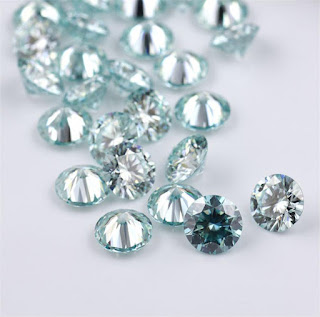
Before you request quotes, you need a clear spec sheet. Wholesale suppliers price against precise parameters, and vagueness costs you money. Define your target carat ranges, acceptable color and clarity grades, and the shapes you actually sell. If you do not know whether you need round melee at 0.003ct–0.15ct or single stones at 1ct–1.99ct, you cannot compare quotes fairly.
You also need a realistic volume forecast. Suppliers offer better per-carat rates for consistent, repeatable orders. A one-off purchase of 50 stones will never match the pricing of a monthly commitment of 500. Know your inventory turnover and be honest about it.
Finally, confirm your quality standards. Lab grown diamonds are graded on the same 4Cs as mined stones, but not every supplier grades consistently. Ask for certification details and compare stones under magnification before committing to a large order.
Step 1 — Define Your Carat Weight Strategy
What to Do
Start by mapping your product line to specific carat ranges. The market splits roughly into melee (0.003ct–0.15ct), small singles (0.15ct–0.5ct), mid-range (0.5ct–0.99ct), and larger stones (1ct up to 2ct and beyond). Each bracket has its own supply dynamics and price per carat.
For each bracket, request separate quotes. A supplier who gives you a blended price for mixed carat weights is hiding margin somewhere. Ask for a line-item breakdown so you can see exactly what each size costs.
Why This Matters
Carat weight drives cost more than any other single factor because it determines rough crystal size and cutting yield. A 1ct round stone requires a larger rough crystal than ten 0.1ct stones, and the growth time in a lab reactor is not linear. Larger crystals take longer to grow, which raises energy and equipment costs per carat. That is why the price per carat jumps noticeably when you cross the 1ct threshold.
Common Mistakes to Avoid
- Assuming price per carat stays constant: It does not. Expect a steep climb at 1ct and again at 2ct.
- Ignoring melee pricing structure: Melee under 0.15ct is often priced per piece, not per carat. Clarify which basis the supplier uses.
- Over-specifying carat weight: If you can accept 0.9ct instead of 1.0ct, you can save 20–30% per stone with no visible difference in most settings.
Step 2 — Lock Down Color and Clarity Grades
What to Do
Decide which color and clarity ranges you will accept before negotiating. For most commercial jewelry, the sweet spot is G–I color and VS–SI clarity. These stones look white to the naked eye and cost significantly less than D–F color with VVS clarity.
Ask your supplier for the actual grade distribution within your target range. A quote for "G–I color" might contain mostly I-grade stones. Request a breakdown by grade and confirm the minimum you will accept in any batch.
Why This Matters
Color and clarity affect wholesale price by a wide margin. Industry pricing data shows that moving from D to G color can reduce cost per carat by 15–25%, and dropping from VVS to SI clarity can cut another 10–20%. For a 1ct stone, that is a meaningful difference per piece. Across a 500-stone order, it changes your total spend by thousands.
The grading standards follow the same GIA scale used for mined diamonds, so you can compare stones across suppliers. Just make sure the supplier actually grades to those standards and provides documentation.
Common Mistakes to Avoid
- Paying for D color you do not need: In a white gold or platinum setting, G color is indistinguishable from D to most buyers.
- Accepting ungraded stones: If a supplier cannot show you grading reports, assume the worst and price accordingly.
- Ignoring fluorescence: Some lab grown stones fluoresce under UV light, which can make them look hazy. Ask about it.
Step 3 — Evaluate Cut Quality and Shape Premiums
What to Do
Inspect the cut quality of sample stones before placing a bulk order. Check proportions, symmetry, and polish under 10x magnification. A well-cut round brilliant should show crisp facet alignment and no visible windowing or extinction.
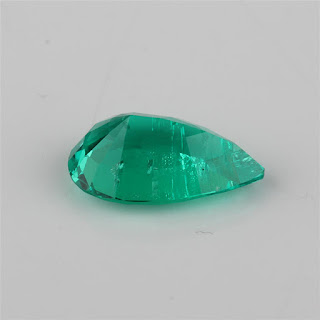
Compare pricing across shapes. Round brilliant cuts command a premium because they waste more rough during cutting. Fancy shapes like oval, pear, and emerald cut use rough more efficiently and typically cost less per carat. If your designs can accommodate fancy shapes, you can reduce your stone cost without compromising appearance.
Why This Matters
Cut quality affects both the beauty of the finished piece and your yield from each rough crystal. A poor cut can make a high-color stone look dull, which hurts your brand. More importantly, a cutter who produces inconsistent proportions wastes rough, and that waste is priced into your quote.
Shape premiums are real. Round stones are the most popular and the most expensive to produce. Fancy shapes like Diamond Pendants often use oval or pear stones, which cost less per carat while offering a distinct look. If you design around fancy shapes, you can offer larger-looking pieces at a lower stone cost.
Common Mistakes to Avoid
- Skipping the magnification check: A 10x loupe is cheap insurance against buying poorly cut stones.
- Assuming all rounds cost the same: Cut quality varies by supplier, and the cheapest quote often has the worst proportions.
- Overlooking shape availability: Not all suppliers carry every shape in every size. Confirm availability before designing around a specific cut.
Step 4 — Factor in Supplier Lead Time and Shipping
What to Do
Ask every supplier for their standard delivery time and shipping options before comparing prices. A quote that is 5% cheaper but takes three weeks longer may cost you more in lost sales and tied-up capital.
Confirm whether the supplier ships via expedited couriers like DHL or FedEx. Fast shipping matters when you are restocking best-selling items or fulfilling a large order for a retail partner. A supplier who can deliver in 2–4 days gives you a competitive advantage over one who needs a month.
Why This Matters
Delivery time directly affects your working capital. Every day your inventory sits in transit is a day your money is not generating revenue. For a business that turns inventory monthly, a two-week delay in shipping can reduce your annual turnover rate by 10–15%.
Expedited shipping also reduces the risk of stockouts. If a key product sells out, a supplier who can ship in 2–4 days lets you restock quickly and capture sales you would otherwise lose. That speed is worth paying for, even if the per-stone price is slightly higher.
Common Mistakes to Avoid
- Choosing price over speed: A cheaper supplier who misses your delivery window costs you more in lost sales than you save on stone cost.
- Ignoring shipping costs: Expedited couriers are not free. Factor shipping into your total landed cost per stone.
- Not asking about stock availability: Some suppliers quote on stones they do not have in stock. Confirm your order is ready to ship before paying.
Step 5 — Compare Pricing Across Shapes and Product Lines
What to Do
Request quotes for multiple shapes and sizes in a single inquiry. Suppliers often price mixed lots more favorably than single-shape orders because it helps them move inventory across their range.
Compare the cost per carat for round, oval, pear, cushion, princess, and emerald cuts. Use a simple table to track the differences and identify where you can save. Then match the shapes to your actual product designs — not the other way around.
Why This Matters
Shape pricing varies by 10–30% per carat depending on supply and cutting efficiency. A buyer who only sources rounds pays a premium for every stone. A buyer who mixes shapes can reduce average cost per carat while offering a wider product range.
This is especially relevant if you sell finished jewelry. A Diamond Necklaces line can use melee stones in multiple shapes to create distinctive designs at a lower cost than an all-round collection. The savings go straight to your margin.
Common Mistakes to Avoid
- Sticking to one shape out of habit: Test fancy shapes in your designs. The cost savings are worth the design effort.
- Not asking for mixed-lot pricing: Suppliers want to move their full inventory. Ask for a blended rate across shapes.
- Ignoring melee shapes: Baguette and trapezoid melee are often cheaper than round melee and add design value.
Step 6 — Negotiate Total Landed Cost, Not Just Stone Price
What to Do
Calculate your total landed cost per stone before comparing suppliers. Include stone price, shipping, insurance, customs duties, and any payment processing fees. A supplier with a higher stone price but lower shipping costs may win on total cost.
Ask about payment terms. Some suppliers offer better pricing for wire transfers or larger order commitments. If you can pay faster or commit to volume, you may unlock a better rate.
Why This Matters
The lowest stone price is not always the lowest total cost. Shipping and duties can add 5–15% to your landed cost, depending on your country and order size. A supplier who ships via DHL or Fedex with reliable tracking may cost more upfront but save you from lost shipments and delays.
Payment terms also matter. If you can negotiate net-30 instead of prepayment, you free up cash flow for other parts of your business. That flexibility has real value, even if the stone price is slightly higher.
Common Mistakes to Avoid
- Comparing quotes without shipping: Always compare on a landed-cost basis.
- Ignoring currency risk: If you buy in USD but sell in EUR, exchange rate swings affect your margin.
- Not asking about volume discounts: Most suppliers have tiered pricing. Ask what the next volume bracket costs.
Pro Tips for Success
- Build a relationship with one supplier: Consistent volume earns better pricing over time than hopping between suppliers for small savings.
- Request samples before bulk orders: A $50 sample order can save you from a $5,000 mistake.
- Track your actual cost per piece: Include stone cost, labor, and overhead to know your true margin per SKU.
- Monitor the market quarterly: Lab grown diamond prices shift as production capacity changes. Re-negotiate regularly.
- Consider finished jewelry for faster turnaround: If you also need settings, sourcing S925 Jewelry from the same supplier can reduce your total lead time and shipping cost.
Frequently Asked Questions
Do lab grown diamond prices change as often as mined diamond prices?
Lab grown diamond prices are generally more stable than mined diamond prices because supply is controlled by production capacity rather than mining output. However, prices do shift as new producers enter the market and technology improves. Review your supplier pricing quarterly to stay competitive.
What is the best color grade for wholesale lab grown diamonds?
For most commercial jewelry, G–I color offers the best balance of appearance and cost. These stones look white in typical settings and cost 15–25% less than D–F color stones. Reserve D–F color for high-end pieces where the premium is justified by your retail price.
How much can I save by buying fancy shapes instead of rounds?
Fancy shapes like oval, pear, and emerald cut typically cost 10–30% less per carat than round brilliants because they waste less rough during cutting. The exact savings depend on the shape, size, and current supply. Request quotes for multiple shapes to see the spread.
Is melee priced differently than larger stones?
Yes. Melee stones under 0.15ct are often priced per piece rather than per carat, and the price per carat is usually higher than for larger stones. This reflects the labor cost of sorting and handling many small stones. Always clarify the pricing basis before ordering.
How important is delivery time for wholesale buying?
Delivery time directly affects your working capital and inventory turnover. A supplier who ships in 2–4 days via DHL or FedEx lets you restock quickly and avoid stockouts. Slower shipping may save money upfront but cost you more in lost sales over time.
Conclusion
Lab grown diamond price factors that affect wholesale purchasing decisions come down to five variables: carat weight, color and clarity grades, cut quality, supplier logistics, and shape selection. Master these, and you can cut your stone cost by 20–40% without compromising the quality your customers see. Start by defining your carat ranges and quality thresholds, then compare quotes on a landed-cost basis. Test fancy shapes in your designs, negotiate mixed-lot pricing, and build a relationship with a supplier who can deliver in days, not weeks. The buyers who win in this market are the ones who treat stone sourcing as a strategic function — not a transactional purchase. Apply these steps to your next order, and you will see the difference in your margin.

评论
发表评论