Lab Grown Diamond Buying Guide: 4Cs, Certification, and Budget Planning
Lab Grown Diamond Buying Guide: 4Cs, Certification, and Budget Planning
Introduction
Buying a lab grown diamond should be straightforward. Yet most first-time buyers walk into the process confused by grading reports, overwhelmed by price ranges, and unsure whether they are paying for quality or just a pretty certificate. The problem is not the diamond itself — it is the lack of a clear framework for evaluating what you are actually purchasing.
Natural diamond pricing has historically been opaque, with margins built into every step of the supply chain. Lab grown diamonds change that equation, but only if you know how to read the specs. This lab grown diamond buying guide walks you through the 4Cs as they apply to laboratory-created stones, explains which certifications actually matter, and gives you a realistic budget planning method that works whether you are buying one engagement ring or stocking a jewelry line.
This guide is written for both retail buyers and B2B purchasers who need repeatable, defensible criteria for sourcing stones. By the end, you will know exactly what to ask for, what to pay, and what to reject.
Key Takeaways
- Master the 4Cs specifically for lab grown diamonds, where cut quality matters more than carat weight.
- Learn which grading laboratories carry real weight and which certificates are not worth the paper.
- Build a budget allocation model that prioritizes visible quality over hidden specs.
- Understand how shape selection affects both price per carat and perceived size.
- Get a practical checklist for verifying your stone before you commit.
What You Need Before Starting
Before you contact any supplier, you need three things in place.
First, a working budget range. Not a single number — a range with a floor and a ceiling. Lab grown diamonds typically cost 60-80% less than mined diamonds of comparable quality, according to industry pricing trends reported by the International Gems Society. That means a stone that would cost $5,000 mined might run $1,000-$2,000 grown in a lab. Your range should reflect what you can actually spend, not what you hope to spend.
Second, a preferred shape. Round brilliant is the most popular and generally the most expensive per carat because of yield loss during cutting. Fancy shapes like oval, pear, and emerald cut typically run 15-30% less per carat than rounds of the same quality. If you are flexible on shape, you can stretch your budget significantly.
Third, a basic understanding of grading reports. You will see certificates from IGI, GIA, and smaller labs. Not all are equal. We will cover this in detail in Step 3.
If you are sourcing for a jewelry business, you will also want to confirm your supplier's production capacity and lead times. A manufacturer that offers delivery in 2-4 days with expedited shipping via DHL or FedEx, for example, can keep your inventory lean without forcing you to overstock. That kind of turnaround matters when you are filling custom orders.
Step 1 — Master the 4Cs for Lab Grown Diamonds
What to Do
The 4Cs — cut, color, clarity, and carat — apply to lab grown diamonds exactly as they do to mined stones. The grading criteria are identical. Here is how to prioritize them.
- Cut first. This is the only C that is entirely the cutter's responsibility. A well-cut stone returns light efficiently, creating brilliance and fire. A poorly cut stone looks dull regardless of its color or clarity grade. For round brilliants, look for Excellent or Ideal cut grades. For fancy shapes, examine the faceting pattern and symmetry carefully — there is no universal "Excellent" standard across all shapes.
- Color second. Lab grown diamonds are graded on the same D-Z scale as mined diamonds. Most buyers choose G-H color, which appears colorless to the untrained eye but costs less than D-F grades. If you are setting the stone in yellow gold, you can comfortably drop to I-J color and save money without visible difference.
- Clarity third. Lab grown diamonds often have fewer inclusions than mined stones because the growth process can be tightly controlled. VS1-VS2 clarity is the sweet spot — clean to the naked eye, no visible inclusions under 10x magnification, and significantly cheaper than VVS or FL grades.
- Carat last. Weight is the least important C for visual impact. A well-cut 0.9-carat stone can look larger than a poorly cut 1.0-carat stone. Focus on millimeter dimensions, not just carat weight.
Why This Matters
Prioritizing the 4Cs in this order — cut, color, clarity, carat — ensures you spend money on what you can actually see. A stone with Excellent cut, G color, and VS1 clarity will outperform a larger stone with Average cut, J color, and SI2 clarity in every visual metric that matters. This is not an opinion; it is how light performance works in diamond optics.
For B2B buyers, this ordering also protects your reputation. If you sell a stone that looks dull or yellow, your customer will not care about the carat weight on the certificate. They will remember that the diamond looked bad.
Common Mistakes to Avoid
- Chasing D-color when you do not need it: D-color stones command a premium. Unless you are setting the stone in platinum or white gold and comparing it side-by-side with other D-color stones, G-H is visually identical.
- Ignoring cut for carat: A 1.5-carat stone with a Poor cut grade will look smaller and duller than a 1.2-carat stone with an Excellent cut. Cut is the only C that affects all other Cs.
- Overpaying for FL clarity: Flawless lab grown diamonds exist, but the price jump from VS1 to FL is enormous and the visual difference is zero to the naked eye.
Step 2 — Choose the Right Shape and Size
What to Do
Shape selection affects both your budget and the perceived size of the stone. Here is how to think about it.
Round brilliants are the classic choice. They offer maximum brilliance and are the most widely available, which means more options in every price range. They also command the highest price per carat.
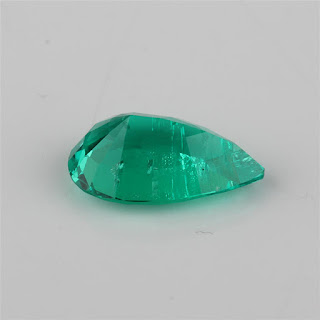
Fancy shapes — oval, pear, cushion, princess, emerald, asscher, heart, marquise, baguette, and trapezoid — typically cost less per carat. An oval or pear can also appear larger than a round of the same carat weight because of their elongated silhouette. If you are buying for an engagement ring, an oval or pear can give you a "bigger look" for less money.
For B2B buyers, shape matters for inventory planning. You need to stock what your customers actually request. If your market prefers ovals, do not fill your inventory with rounds just because they are the traditional default.
When selecting size, think in millimeters, not just carats. A 1.0-carat round brilliant measures approximately 6.5mm in diameter. A 1.0-carat oval measures approximately 7.7mm x 5.7mm. The oval will face up larger despite the same weight.
Why This Matters
The shape you choose determines the entire visual character of the finished piece. A round brilliant sparkles with intense fire. An emerald cut shows elegant, hall-of-mirrors step facets. A pear combines the brilliance of a round with the elongation of a marquise. There is no objectively "best" shape — only the shape that fits your design intent and budget.
For manufacturers, shape availability matters operationally. If you are producing a line of Diamond Pendants, you need consistent supply of your chosen shape in the sizes you specify. A supplier that can deliver melee stones from 0.003ct to 0.15ct, as well as larger stones from 0.15ct up to 2ct and beyond, gives you flexibility across product lines.
Common Mistakes to Avoid
- Assuming rounds are always best: Rounds are the most expensive per carat. If your design calls for a specific look, a fancy shape can deliver it at a lower cost.
- Ignoring length-to-width ratio: For ovals, pears, and marquises, the length-to-width ratio dramatically affects the appearance. A ratio of 1.35-1.45 for ovals is generally considered ideal, but some buyers prefer a more elongated look.
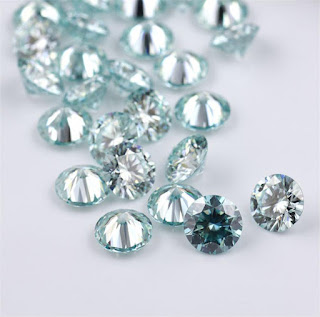
- Forgetting about melee: If you are setting a halo or pavé band, you need small stones — melee — in consistent quality. A 0.003ct to 0.15ct range covers most halo and pavé applications.
Step 3 — Verify Certification from a Reputable Lab
What to Do
Certification is where lab grown diamond buying gets tricky. Here is what you need to know.
Three laboratories dominate the grading market: GIA (Gemological Institute of America), IGI (International Gemological Institute), and AGS (American Gem Society). For lab grown diamonds, IGI is currently the most widely used grader, with GIA also issuing lab grown diamond reports. Both are credible.
What you want to avoid is a certificate from an unknown or in-house lab. Some manufacturers grade their own stones and issue "certificates" that are not backed by any independent authority. These are marketing documents, not grading reports.
When you receive a certificate, verify the following:
- The report explicitly states "Laboratory Grown" or "Lab Created" — this is legally required in most jurisdictions.
- The report includes a plot of the stone's inclusions — not just a clarity grade, but an actual diagram.
- The report lists the exact measurements, carat weight, color grade, and cut grade.
- The report number matches the laser inscription on the stone's girdle.
Why This Matters
A grading report is your only objective evidence of what you are buying. Without it, you are relying on the seller's word. For B2B buyers, this is even more critical — you are passing these stones along to your own customers, and if a certificate is fraudulent or inflated, the liability lands on you.
Independent grading also protects you from overpaying. A stone graded by IGI or GIA has a defensible quality benchmark. You can compare prices across suppliers because you are comparing like-for-like grades.
Common Mistakes to Avoid
- Accepting in-house certificates: If the certificate does not come from GIA, IGI, or AGS, treat it as unverified. Ask for independent grading or factor the risk into your price.
- Ignoring the laser inscription: Every lab grown diamond should have a laser inscription on its girdle matching the certificate number. Verify it with a loupe before you pay.
- Assuming all IGI reports are equal: IGI has multiple grading locations. Reports from their main labs are consistent, but always check the report date and location.
Step 4 — Plan Your Budget with a Realistic Allocation Model
What to Do
Budget planning for lab grown diamonds is simpler than for mined diamonds because the baseline cost is lower. Here is a practical allocation model.
Start with your total budget. Allocate 70-80% to the center stone, 15-20% to the setting, and 5-10% as contingency. This mirrors the traditional engagement ring allocation but with lab grown prices, the center stone percentage can go even higher.
For a reference point, consider this typical pricing structure for lab grown diamonds:
| Quality Grade | Price Range per Carat (Round) | Price Range per Carat (Fancy) |
|---|---|---|
| Excellent cut, D-F color, VVS-VS clarity | $1,200 - $2,500 | $900 - $1,900 |
| Excellent cut, G-H color, VS clarity | $800 - $1,500 | $600 - $1,200 |
| Good cut, I-J color, SI clarity | $500 - $900 | $400 - $750 |
These ranges reflect general industry pricing for lab grown diamonds and will vary by supplier, market conditions, and specific stone characteristics.
If your budget is $2,000 total, you might allocate $1,500 for the center stone. That buys you a 1.0-1.5 carat round in G-H color, VS clarity, Excellent cut — a stone that would cost $6,000-$10,000 in mined form.
Why This Matters
A clear allocation model prevents the most common buying mistake: spending too much on the setting and too little on the stone, or vice versa. The center stone is the visual anchor of any piece. It deserves the majority of your budget.
For B2B buyers, this model also helps with pricing your finished pieces. If you know your stone cost, setting cost, and margin targets, you can price products consistently across your catalog.
Common Mistakes to Avoid
- Overspending on the setting: A $500 setting can look stunning with a $1,500 stone. A $1,500 setting with a $500 stone looks unbalanced.
- Ignoring melee costs: If your design uses melee stones for a halo or pavé, those add up. A 0.5ct total weight of melee at $300-500 per carat adds $150-250 to your cost.
- Not building in contingency: Stones can be rejected during setting, settings can need rework, and shipping can be delayed. A 5-10% contingency covers these realities.
Step 5 — Source from a Manufacturer with Verified Capabilities
What to Do
Once you know what you want, you need a supplier who can deliver it. For B2B buyers, this means verifying the manufacturer's capabilities before you commit.
Ask these questions:
- What shapes and sizes do you stock? A manufacturer should be able to supply rounds from 0.003ct melee up to 2ct and larger, plus fancy shapes like oval, pear, cushion, princess, emerald, asscher, heart, marquise, baguette, and trapezoid.
- What is your delivery time? Fast turnaround — 2-4 days with expedited shipping via DHL or FedEx — means you can keep inventory lean and respond to customer orders quickly.
- Do you offer OEM services? If you need custom designs, you want a manufacturer who can produce to your specifications, not just sell stock items.
- What is your quality control process? Every stone should be individually graded and verified before shipment.
If you are building a jewelry line, you will also want a supplier who can provide finished pieces, not just loose stones. A manufacturer offering Diamond Necklaces and other finished jewelry can simplify your supply chain — one source for stones, settings, and assembly.
For those working in sterling silver, a supplier with S925 Jewelry capabilities can handle both the stones and the metalwork, reducing coordination overhead.
Why This Matters
Your supplier is your quality control. If they ship inconsistent stones, mislabeled grades, or delayed orders, your business absorbs the cost. A manufacturer with verified capabilities and fast turnaround protects your margins and your reputation.
Common Mistakes to Avoid
- Choosing price over reliability: The cheapest supplier is rarely the best. A $50-per-carat saving is worthless if the stones arrive late or off-grade.
- Not verifying OEM capabilities: If you need custom cuts or settings, confirm the manufacturer can actually do it before you place an order.
- Skipping the sample order: Always order a small sample batch before committing to volume. This verifies quality, consistency, and delivery time.
Pro Tips for Success
- Buy melee in bulk: If your designs use small stones, negotiate bulk pricing on melee. A 0.003ct-0.15ct range covers most halo and pavé applications, and volume discounts can reach 20-30%.
- Match color grades across your piece: If your center stone is G-color, your melee should be G-color or better. Mismatched color is immediately visible in halo settings.
- Ask for real photos and videos: Grading reports tell you the specs, but photos and videos show you the actual stone. Request macro shots under different lighting conditions.
- Verify the return policy: Even with certification, you should have a return window for inspection. A 7-day return policy is standard in the industry.
Frequently Asked Questions
Are lab grown diamonds real diamonds?
Yes. Lab grown diamonds have the same chemical composition, crystal structure, and physical properties as mined diamonds — pure carbon in a cubic crystal structure. They are graded on the same 4Cs scale by the same laboratories. The only difference is origin: one is grown in a controlled laboratory environment, the other is mined from the earth.
What is the best certification for lab grown diamonds?
IGI and GIA are the most widely recognized graders for lab grown diamonds. Both issue reports that explicitly state the stone is laboratory grown and include full 4C grading. Avoid in-house certificates from manufacturers that are not backed by independent grading.
How much can I save with a lab grown diamond?
Lab grown diamonds typically cost 60-80% less than mined diamonds of comparable quality. A stone that costs $5,000 mined might cost $1,000-$2,000 grown in a lab. The exact savings depend on carat weight, quality grade, and market conditions.
Conclusion
This lab grown diamond buying guide gives you a practical framework: prioritize cut over carat, choose your shape deliberately, verify certification from independent labs, and allocate your budget with the center stone as the anchor. Follow these steps and you will buy with confidence, whether you are purchasing a single engagement ring or sourcing stones for a full jewelry line.
The approach works because it is built on verifiable data — grading reports, millimeter measurements, and transparent pricing — rather than marketing claims. You are not guessing; you are comparing like-for-like specifications and paying for what you can actually see.
Your next step is simple. Define your budget range, pick your shape, and request quotes from manufacturers with verified capabilities. Ask for IGI or GIA certification on every stone. Verify the laser inscription. And if you are buying for a business, order a sample batch before committing to volume. The stones are out there, priced fairly and graded honestly. Now you know exactly how to find them.

评论
发表评论