How Necklace Length Changes Styling for Different Necklines and Markets
How Necklace Length Changes Styling for Different Necklines and Markets
Introduction
Necklace length is the single most underrated variable in jewelry design. A 16-inch chain sits at the collarbone; an 18-inch chain drops just below it. That two-inch difference changes how a pendant interacts with a neckline, how light hits the stone, and ultimately whether a piece sells in one market or gathers dust in another. For B2B buyers sourcing lab-grown diamond and moissanite jewelry, getting length right matters as much as cut quality or carat weight. This guide breaks down how necklace length changes styling for different necklines and markets, with concrete measurements, regional preferences, and practical sourcing advice for OEM production runs.
Key Takeaways
- Collarbone-length chains (14–16 inches) pair best with strapless and off-shoulder necklines, dominating North American bridal sales.
- Princess length (18 inches) is the global default, working across crew necks, blouses, and casual wear.
- Matinee length (20–24 inches) suits high necklines and professional attire, with strong demand in European markets.
- Opera length (28–36 inches) offers layering versatility, popular in South Asian and Middle Eastern markets.
- Sterling silver findings and adjustable chains reduce returns by accommodating neck size variation across demographics.
What You Need Before Starting
Before you spec a production run, you need clarity on three things: your target market's preferred lengths, the necklines your customers actually wear, and the stone sizes that suit each length. A 1-carat lab-grown diamond pendant on a 16-inch chain reads as a statement piece. The same stone on a 22-inch chain reads as understated elegance. Neither is wrong, but they sell to different buyers.
You also need reliable suppliers who can deliver consistent quality across lengths. For pendants and necklaces, working with a manufacturer that offers both finished pieces and loose stones simplifies sourcing. A supplier like Diamond Pendants from Starsgem can provide lab-grown diamonds in rounds from 0.003ct melee up to 2ct and larger, with delivery times of 2–4 days via DHL or FedEx. That speed matters when you're testing a new length in a regional market.
Finally, confirm your findings and chain materials. Sterling silver (S925) is the workhorse for mid-market pieces, while 14K and 18K gold serve premium lines. If you're sourcing S925 Jewelry in bulk, verify the silver is nickel-free and meets EU nickel directive standards (EN 1811:2011) if you plan to sell in Europe.
Step 1 — Match Length to Neckline for Visual Balance
What to Do
Start with the neckline, not the necklace. The goal is to create a visual frame that flatters the wearer's face and décolletage. Use these pairings as your baseline:
- Strapless or off-shoulder: 14–16 inches. The chain sits at or just above the collarbone, drawing the eye upward.
- Crew neck or jewel neckline: 18 inches. The pendant rests below the collarbone, filling the bare space without crowding the neckline.
- V-neck: 18–20 inches. The pendant should follow the V shape, not cut across it. A 16-inch chain on a deep V-neck looks disconnected.
- High neck or turtleneck: 20–24 inches. Matinee length creates a long, vertical line that balances the covered upper body.
- Sweetheart or scoop neck: 16–18 inches. The curve of the necklace should echo the curve of the neckline.
Why This Matters
The human eye reads jewelry as part of the whole silhouette. When a pendant floats at the wrong height, the entire outfit looks off-balance, regardless of how brilliant the stone is. For a 0.5-carat round lab-grown diamond, a 16-inch chain places the stone at the hollow of the throat, where it catches maximum light. Drop to 20 inches and the same stone gets lost in the bustline, especially on petite frames.
Common Mistakes to Avoid
- Assuming one length fits all: Neck size varies significantly. A 16-inch chain fits a 14-inch neck loosely but a 15.5-inch neck snugly. Offer adjustable chains or multiple lengths.
- Ignoring pendant weight: A heavy 2-carat pendant on a delicate 16-inch chain will pull the chain forward and sit crooked. Match chain gauge to stone weight.
- Copying competitor lengths without testing: Regional preferences differ. What sells in New York may not move in Dubai.
Step 2 — Understand Market Preferences by Region
What to Do
Research your target markets before committing to a length mix. Industry observations from jewelry trade shows and export data suggest clear patterns:
- North America: 16–18 inches dominate. Bridal pendants at 16 inches and everyday pieces at 18 inches cover roughly 70% of retail sales.
- Europe: 18 inches is standard, but 20–24 inches gains traction in France and Italy for fashion-forward pieces.
- Middle East: 20–24 inches preferred, often worn over traditional abayas. Longer chains show the stone without competing with high necklines.
- South Asia: 28–36 inches for traditional occasions, with 18-inch chains for daily wear. Layering is common.
- East Asia: 14–16 inches for petite frames, with delicate stones in the 0.1–0.3ct range.
Why This Matters
Market preferences aren't arbitrary. They track body proportions, clothing norms, and cultural jewelry traditions. A US buyer expects a pendant to sit at the collarbone because that's where Western necklines expose skin. A Gulf buyer expects a longer chain because it must clear the neckline of a kaftan or abaya. Sourcing Diamond Necklaces in multiple lengths from a single manufacturer lets you test several markets without committing to separate production runs.
Common Mistakes to Avoid
- Overweighting US trends: The US is one market, not the world. If you export to 20 countries, your length mix should reflect that.
- Ignoring seasonal variation: Holiday gifting in Western markets spikes demand for 16–18-inch pendants. Wedding season in South Asia spikes demand for longer, more ornate pieces.
- Skipping local sizing data: Average neck circumference varies by population. Use adjustable chains (16–18 inches) to hedge against sizing uncertainty.
Step 3 — Match Stone Size to Chain Length
What to Do
Stone size and chain length work together. A mismatch undermines both. Use these guidelines:
| Chain Length | Recommended Stone Size | Best Necklines | Primary Markets |
|---|---|---|---|
| 14–16 inches | 0.1–0.5ct | Strapless, off-shoulder, sweetheart | North America, East Asia |
| 18 inches | 0.3–1ct | Crew neck, V-neck, casual | Global default |
| 20–24 inches | 0.5–2ct | High neck, turtleneck, professional | Europe, Middle East |
| 28–36 inches | 1ct and up | Layered, traditional attire | South Asia, Middle East |
- Melee stones (0.003–0.15ct): Best for 14–16-inch chains as accent stones or in multi-stone settings.
- 0.15–0.5ct: Sweet spot for 16–18-inch chains. Visible but not overpowering.
- 0.5–1ct: Works at 18–20 inches. The stone has presence without needing a long drop.
- 1ct and above: Best at 20 inches or longer, where the stone can breathe and catch light from multiple angles.
Why This Matters
Proportion drives perceived value. A 1.5-carat moissanite on a 16-inch chain can look gaudy; the same stone on a 22-inch chain looks intentional. Buyers in premium segments pay for harmony, not just carat weight. Lab-grown diamonds and moissanite give you the carat weight at a fraction of mined diamond prices, so you can offer larger stones at accessible price points. But only if the chain length supports the stone.
Common Mistakes to Avoid
- Using one chain length for all stone sizes: A 0.1ct stone on a 30-inch chain disappears. A 2ct stone on a 16-inch chain overwhelms.
- Ignoring chain thickness: A 0.8mm cable chain suits melee stones. A 1.5mm chain suits 1ct and above. Thin chains with heavy stones fail at the clasp.
- Skipping pendant bail size: The bail (the loop connecting pendant to chain) must match chain gauge. A thick chain won't thread through a small bail.
Step 4 — Design for Adjustability and Versatility
What to Do
Adjustable chains reduce SKU complexity and return rates. Design with these features:
- Extender chains: Add a 2-inch extender to 16-inch chains, making them 16–18 inches. This covers two market segments with one SKU.
- Sliding clasps: Allow 16–20-inch adjustment without visible extender links.
- Multi-length wear: Design pendants that work at both 18 and 22 inches by changing the attachment point.
- Convertible designs: Necklaces that convert from single-strand to layered by adding a second chain.
Why This Matters
Returns kill margins. A buyer who orders a 16-inch necklace and finds it too snug will return it, costing you shipping, restocking, and lost goodwill. Adjustable designs eliminate that failure mode. For B2B buyers, offering adjustable lengths also simplifies inventory. One SKU serves customers who prefer collarbone length and those who prefer a slightly lower drop.
Common Mistakes to Avoid
- Adding extenders that change pendant position: An extender moves the pendant lower. If the pendant is designed for collarbone height, the extender ruins the look.
- Using cheap clasps: A lobster clasp that fails on a 1ct pendant is a liability. Use spring-ring or box clasps rated for the chain gauge.
- Ignoring extender visibility: A visible extender chain looks cheap. Use matching metal and gauge.
Step 5 — Source Stones and Settings for Length-Specific Designs
What to Do
Work with suppliers who can provide stones and finished pieces across the size range your lengths require. For a typical collection:
- Melee (0.003–0.15ct): For pavé settings and accent stones on 14–16-inch chains.
- Center stones (0.15–1ct): For solitaire pendants on 16–20-inch chains.
- Statement stones (1–2ct and up): For matinee and opera lengths, where the stone is the focal point.
- Fancy shapes: Oval, pear, cushion, and emerald cuts behave differently at different lengths. A pear-shaped stone elongates the neck at 18 inches but looks heavy at 14 inches.
Why This Matters
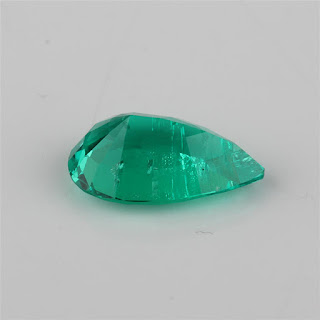
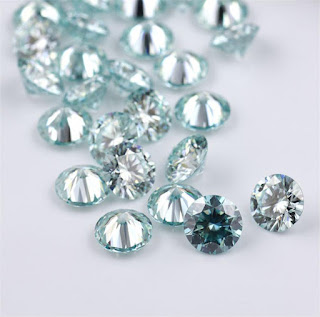
Your supplier's stone inventory determines what you can design. A manufacturer that offers lab-grown diamonds from 0.003ct melee to 2ct and larger, plus moissanite and lab-grown gems like emerald and sapphire, gives you flexibility. You can design a full collection across lengths without sourcing from multiple vendors. Starsgem, for example, offers rounds, ovals, pears, cushions, princess cuts, emerald cuts, asscher, heart, marquise, baguette, trapezoid, and radiant shapes, plus color diamonds. That range supports length-specific designs from delicate 14-inch chains to statement 36-inch opera pieces.
Common Mistakes to Avoid
- Designing lengths before confirming stone availability: A 36-inch opera necklace needs larger stones. If your supplier can't source 1ct+ stones reliably, adjust the design.
- Ignoring shape-specific behavior: Round brilliant stones perform consistently across lengths. Fancy shapes like marquise and pear have directional light performance that changes with pendant orientation.
- Skipping prototype testing: Order samples at each length before committing to bulk production. A 16-inch sample and an 18-inch sample of the same design can look like different products.
Pro Tips for Success
- Test with real necklines: Photograph samples on mannequins wearing actual garments, not just bare necks. A pendant that looks perfect on bare skin can look wrong over a turtleneck.
- Use length-specific photography: Show the same pendant at 16, 18, and 20 inches in your catalog. Buyers need to see the difference, not guess.
- Offer length bundles: Package a 16-inch and 20-inch chain with one pendant. This covers multiple necklines and markets with one SKU.
- Track return reasons: If returns cite "too short" or "too long," adjust your length mix. Return data is free market research.
- Consider chain style: Cable, rope, and box chains all drape differently. A rope chain at 18 inches sits differently than a cable chain at the same length.
Frequently Asked Questions
What is the most popular necklace length for diamond pendants?
18 inches is the global default for diamond pendants. It sits just below the collarbone and works with most necklines, from crew necks to V-necks. In North America, 16 inches is a close second, especially for bridal and formal pieces. For B2B buyers, stocking 16 and 18 inches covers roughly 70% of retail demand.
How do I choose between 16-inch and 18-inch chains?
Consider your target customer's typical neckline and body proportions. A 16-inch chain sits at the collarbone and suits strapless, off-shoulder, and sweetheart necklines. An 18-inch chain sits just below and works with crew necks, blouses, and casual wear. If you're unsure, offer an adjustable chain with a 2-inch extender.
Does necklace length affect pendant stone size?
Yes. A 14–16-inch chain suits stones from 0.1 to 0.5 carats. An 18-inch chain handles 0.3 to 1 carat comfortably. Matinee and opera lengths (20–36 inches) suit 1 carat and above. Larger stones on short chains look heavy; smaller stones on long chains look lost.
What chain length is best for layering?
Layering works best with contrasting lengths. Combine a 16-inch chain with a 20-inch chain, or an 18-inch with a 28-inch opera length. The visual gap between layers creates depth. Avoid layering chains of similar lengths, which tangle and look cluttered.
Are adjustable necklaces worth the extra cost?
Yes, especially for B2B buyers. An adjustable chain (16–18 inches) covers two market segments with one SKU, reducing inventory complexity and return rates. The cost increase is minimal, typically a few percent of the piece price, and the sales flexibility is significant.
Conclusion
Necklace length changes styling for different necklines and markets in ways that directly affect sell-through rates. A 16-inch chain serves the bridal market in North America; a 24-inch chain serves the abaya market in the Gulf. Neither is better, but they are not interchangeable. Match length to neckline for visual balance, match stone size to length for proportion, and match your length mix to your target markets for commercial success. Work with a supplier who offers stones from melee to 2 carats and finished pendants and necklaces, so you can prototype across lengths before committing to bulk production. Test samples at 16, 18, 20, and 24 inches. Photograph them on real garments. Track return reasons. Adjust your mix based on data, not guesswork. The manufacturers who master length-specific design will capture the markets that competitors overlook.

评论
发表评论