Cost and Margin Comparison for S925 Jewelry and Fashion Jewelry Alternatives
Cost and Margin Comparison for S925 Jewelry and Fashion Jewelry Alternatives
Introduction
If you buy jewelry in bulk, you already know the margin math is brutal. Fashion jewelry moves fast but dies fast. S925 sterling silver holds value but eats into your upfront capital. The comparison matters more now because buyers are price-sensitive, and your supplier choices determine whether you clear 30% or 65% gross margin. This article breaks down the real cost structure, per-unit pricing, and margin potential for S925 jewelry versus fashion jewelry alternatives, with a focus on what manufacturers and wholesalers actually pay. We will also look at how lab-grown diamonds and moissanite change the equation when set into silver versus base metal. Relevant specifications and application guidance are available through Jewelry Set.
Key Takeaways
- S925 sterling silver costs roughly 5 to 8 times more per gram than zinc alloy or brass used in fashion jewelry, but retail price points can support 50–70% margins.
- Fashion jewelry alternatives like copper-based alloys and stainless steel offer lower entry costs but face faster tarnish and shorter product lifecycles.
- Lab-grown diamonds and moissanite set in S925 can deliver premium perceived value at a fraction of mined diamond cost, boosting margin per piece.
- Wholesale pricing for S925 rings typically ranges from $8 to $25 per piece depending on stone type, while fashion jewelry equivalents run $2 to $6.
- Your choice affects not just margin but return rates, brand positioning, and repeat purchase behavior.
How to Evaluate S925 Jewelry and Fashion Jewelry Alternatives
Different jewelry categories solve different problems for a retailer or brand. You need a framework before you compare price tags.
- Material cost: The base metal price per gram directly sets your floor. Silver spot prices fluctuate daily, but alloy costs for fashion jewelry are relatively stable.
- Stone cost: Whether you use cubic zirconia, moissanite, or lab-grown diamonds changes the per-piece cost by a factor of 10 to 50.
- Labor and finishing: S925 pieces require more skilled labor for soldering, polishing, and rhodium plating. Fashion jewelry can be cast faster with less finishing.
- Perceived value and retail ceiling: A customer will pay $80 for a silver ring with a lab-grown diamond. The same design in brass with CZ tops out around $25.
- Lifecycle and returns: Silver tarnishes but can be cleaned. Fashion jewelry plating wears off, leading to returns and negative reviews.
Top Alternatives to S925 Jewelry
Fashion Jewelry (Zinc Alloy / Brass with Plating) — The Volume Play
- What it does: Produces high-volume, trend-driven pieces at the lowest possible unit cost.
- Main strength: Unit costs of $1 to $4 per ring allow aggressive retail pricing and fast inventory turnover.
- Best for: Fast-fashion retailers, seasonal collections, and markets where price is the primary purchase driver.
- Not ideal for: Brands that need durability, hypoallergenic properties, or long-term customer retention.
- Key difference from S925: The base metal cost is roughly 80% lower, but plating wear and tarnish cause higher return rates within 6–12 months.
Stainless Steel Jewelry — The Durability Alternative
- What it does: Uses 316L stainless steel, which is corrosion-resistant and requires no plating.
- Main strength: Extremely durable, hypoallergenic, and low maintenance. Cost sits between fashion jewelry and silver.
- Best for: Men's jewelry, everyday wear pieces, and markets where scratch resistance matters more than precious metal status.
- Not ideal for: High-end bridal or gifting segments where customers expect precious metal hallmarks.
- Key difference from S925: Stainless steel has no intrinsic metal value, so scrap value is zero, but it outlasts both fashion jewelry and silver in daily wear.
Copper and Bronze Alloys — The Artisan Budget Option
- What it does: Uses copper-based alloys with an antique or oxidized finish rather than bright plating.
- Main strength: Low material cost with a distinctive aesthetic that hides wear patterns.
- Best for: Boho, artisan, and vintage-style collections where patina is part of the design.
- Not ideal for: Customers with sensitive skin; copper can cause green discoloration on skin.
- Key difference from S925: The finish evolves over time, which some buyers love and others reject as "tarnished."
S925 with Lab-Grown Diamonds — The Premium Value Play
- What it does: Combines sterling silver with lab-grown diamonds or moissanite to create bridal-quality looks at accessible prices.
- Main strength: A 1-carat lab-grown diamond in a silver setting can retail for $300–$600, while a mined diamond equivalent starts at $3,000. The margin per piece is substantial.
- Best for: Bridal, engagement, and anniversary lines where customers want the look and durability of diamond jewelry without the mined diamond price.
- Not ideal for: Ultra-budget lines; the stone cost alone exceeds the entire unit cost of fashion jewelry.
- Key difference from S925: The stone adds 60–80% to the unit cost but multiplies the retail ceiling by 3–5 times.
Side-by-Side Comparison
| Factor | S925 + Lab Diamond | Fashion Jewelry (Zinc Alloy) | Stainless Steel | S925 + Moissanite |
|---|---|---|---|---|
| Base material cost per gram | $0.60–$0.80 (silver) | $0.08–$0.15 (zinc alloy) | $0.10–$0.20 | $0.60–$0.80 (silver) |
| Stone cost per piece | $30–$150 (lab diamond) | $0.10–$0.50 (CZ) | $0.10–$0.50 (CZ) | $10–$40 (moissanite) |
| Typical wholesale price | $40–$180 | $2–$6 | $3–$8 | $15–$50 |
| Retail price range | $150–$600 | $10–$30 | $15–$40 | $60–$200 |
| Gross margin potential | 55–70% | 50–65% | 50–65% | 55–70% |
| Return rate (12 months) | Low (2–5%) | High (10–20%) | Very low (1–3%) | Low (3–6%) |
| Perceived value | High | Low | Medium | High |
When You Need More Than a Point Solution
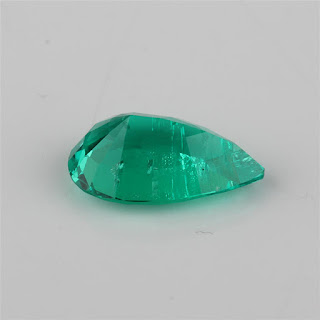
The comparison above treats each material as a separate product line. But most successful jewelry brands run a mixed portfolio. You might use fashion jewelry for entry-level traffic builders, stainless steel for everyday basics, and S925 with lab-grown stones for your bridal and gifting segments. That is where working with a manufacturer that covers multiple categories becomes valuable. A single supplier that can produce Diamond Jewelry in silver, fashion pieces in alloy, and complete Jewelry Set options simplifies your supply chain. You negotiate one contract, manage one quality standard, and consolidate shipping. Starsgem, for example, offers lab-grown diamonds, moissanite, hydrothermal emeralds, and a full range of S925 Jewelry with delivery times of 2–4 days via DHL or FedEx. That kind of scope changes your margin math because you are not paying multiple suppliers' minimums.
Cost Breakdown: What Actually Drives Your Margin
Let us get specific about the numbers. The figures below reflect typical wholesale ranges in the industry as of 2024–2025.
Material Costs
Sterling silver (S925) contains 92.5% pure silver. At a silver spot price of roughly $0.70–$0.90 per gram, the alloy cost per ring is about $2–$4 for a 3–5 gram piece. Fashion jewelry using zinc alloy or brass costs $0.30–$0.80 per piece for the same weight. That is a 5–8 times difference in material cost alone.
Stone Costs
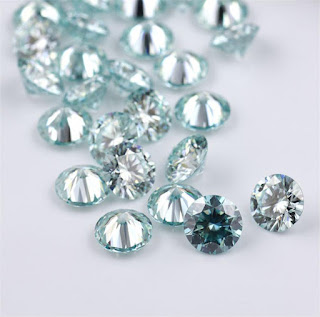
Cubic zirconia costs $0.05–$0.50 per stone depending on size and cut quality. Moissanite runs $10–$40 per carat equivalent. Lab-grown diamonds range from $300–$900 per carat for melee and smaller stones, but a 0.10–0.30 carat lab diamond for a silver ring costs $30–$150. The stone is the single biggest cost differentiator between fashion and premium lines.
Labor and Finishing
Silver casting and finishing require more steps: soldering, polishing, rhodium plating to prevent tarnish, and stone setting. Labor adds $3–$8 per silver piece. Fashion jewelry casting is faster, with labor at $1–$3 per piece. Stainless steel sits in between at $2–$4 per piece.
Total Unit Cost Example
A 3-gram S925 ring with a 0.15-carat lab-grown diamond: silver ($2.50) + stone ($45) + labor ($5) = $52.50 wholesale. Retail at $180 gives a 71% gross margin. A comparable fashion ring in zinc alloy with CZ: alloy ($0.50) + stone ($0.20) + labor ($2) = $2.70 wholesale. Retail at $15 gives an 82% margin on paper, but return rates of 15% and the need to discount after 6 months erode that to an effective 40–50%.
The Hidden Costs That Kill Fashion Jewelry Margins
Fashion jewelry looks profitable on paper. The unit cost is low, and the markup is high. But three hidden costs change the picture.
Returns and replacements. Plating wears off within weeks for some customers. Skin reactions cause returns. Industry data suggests fashion jewelry return rates of 10–20% within the first year, compared to 2–5% for silver with rhodium plating. Inventory write-offs. Trend-driven fashion jewelry becomes unsellable within 6–12 months. You discount 30–50% to clear it. Silver and lab-grown stone pieces hold value and can be sold across seasons. Brand damage. A customer who buys a $20 fashion ring and sees it tarnish in a month will not come back. The lifetime value loss is hard to quantify but real. Silver pieces build trust and repeat purchases.Which Alternative Fits Your Business Model?
There is no universal winner. The right choice depends on your channel, price point, and customer expectations.
If you sell on Amazon or marketplaces with heavy price competition, fashion jewelry and stainless steel give you the lowest entry cost. You compete on price and volume. Your margin per unit is thin, but your inventory turnover is fast. If you sell through retail stores or your own e-commerce brand, S925 with lab-grown stones or moissanite gives you a defensible position. You justify higher prices with real material value. Customers can verify the silver hallmark and the diamond certificate. If you target bridal or gifting, S925 with lab-grown diamonds is the strongest margin play. The perceived value is 5–10 times the material cost, and customers are less price-sensitive for emotional purchases. If you want a balanced portfolio, run fashion jewelry as a traffic builder and S925 with lab stones as your margin engine. Use stainless steel for basics that need durability without precious metal cost.FAQ
Is S925 Jewelry worth the higher cost compared to fashion jewelry?Yes, if you sell to customers who value durability and hypoallergenic properties. S925 pieces last 5–10 times longer than plated fashion jewelry, reducing returns and building repeat purchase trust. The higher unit cost is offset by lower return rates and higher perceived value.
What is the typical margin on S925 jewelry with lab-grown diamonds?Wholesale margins of 55–70% are achievable. A piece costing $50 wholesale can retail for $150–$200. The margin depends on your brand positioning, channel, and marketing efficiency.
How does moissanite compare to lab-grown diamonds in cost?Moissanite costs roughly 10–20% of a comparable lab-grown diamond. A 1-carat moissanite might cost $10–$40 wholesale, while a 1-carat lab-grown diamond runs $300–$900. Moissanite offers higher margin per piece but lower perceived value for bridal customers.
Do fashion jewelry alternatives ever make sense for premium brands?Rarely. Premium brands rely on material authenticity. If a customer pays $100 for a ring and discovers the base metal is zinc alloy, the trust damage outweighs any margin gain. Stainless steel is the only fashion-adjacent material that works for mid-tier positioning.
What delivery times should I expect from a manufacturer?Starsgem offers delivery times of 2–4 days with expedited shipping via DHL or FedEx. Standard production times vary by order size and customization, but a responsive supplier shortens your inventory cycle and reduces capital tied up in stock.
Can I mix S925 and fashion jewelry in one order?Yes, if your supplier covers both categories. Working with a manufacturer that produces lab-grown diamonds, moissanite, hydrothermal emeralds, and S925 jewelry lets you consolidate orders and negotiate better per-piece pricing across your entire line.
Final Verdict
The margin comparison between S925 jewelry and fashion jewelry alternatives is not a simple "which is cheaper" question. Fashion jewelry wins on unit cost and speed. S925 wins on durability, perceived value, and customer retention. The smartest approach is a tiered portfolio: fashion jewelry for entry price points, stainless steel for everyday basics, and S925 with lab-grown diamonds or moissanite for bridal and gifting. That structure lets you capture margin at every price level while protecting your brand from the hidden costs of cheap materials.

评论
发表评论