Best S925 Silver Earrings for Sensitive Ears and Nickel-Free Jewelry Lines
Best S925 Silver Earrings for Sensitive Ears and Nickel-Free Jewelry Lines
Key Takeaways
- S925 sterling silver contains 92.5% pure silver alloyed with 7.5% other metals, typically copper, but nickel content varies by manufacturer.
- Nickel is the leading cause of contact dermatitis in jewelry, affecting roughly 10-20% of the population according to dermatological studies.
- Lab-grown diamond and moissanite earrings set in S925 silver offer hypoallergenic options without the ethical or price concerns of mined stones.
- Buyers should verify nickel-free certification (EN 1811:2011 compliance) rather than assuming all sterling silver is safe for sensitive ears.
- B2B buyers can order OEM S925 silver earrings with lab-grown stones in 2-4 days with expedited DHL or FedEx shipping.
What to Look for in S925 Silver Earrings for Sensitive Ears
Not all sterling silver is created equal. The "925" stamp tells you the silver content, but it says nothing about the remaining 7.5%. That alloy mix determines whether your ears will react.
- Nickel-free alloy verification: Request material certificates or test reports confirming nickel content below 0.05% per EU Nickel Directive compliance. Many suppliers use copper or zinc instead.
- Stone setting quality: Poorly set stones create micro-abrasions that trap moisture and irritants. Look for smooth, polished settings with secure prongs or bezels.
- Plating and finishing: Rhodium plating (typically 0.5-1.0 micron thickness) adds a protective barrier between the metal and your skin. Unplated silver can tarnish faster and release more ions.
- Source transparency: A manufacturer that openly documents its alloy composition and stone origins is more likely to deliver consistent quality batch after batch.
The EU Nickel Directive (EN 1811:2011) sets the reference standard for nickel release from jewelry. Products releasing less than 0.2 µg/cm²/week are considered safe for prolonged skin contact. That's the number to ask your supplier about.
Top 5 S925 Silver Earring Styles for Sensitive Ears: Quick Comparison
| Style | Stone Type | Best For | Key Feature |
|---|---|---|---|
| Diamond Studs | Lab-grown diamond (0.003ct-0.15ct) | Everyday wear | Classic, secure screw-back posts |
| Moissanite Halo | Moissanite (round, 0.5ct-2ct) | Maximum sparkle | High refractive index (2.65-2.69) |
| Lab Emerald Drop | Hydrothermal emerald | Color lovers | Mohs hardness 7.5-8, vibrant green |
| Sapphire Studs | Lab-grown sapphire | Durability | Mohs hardness 9, scratch-resistant |
| Cubic Zirconia Hoops | Crushed ice CZ | Budget-friendly | Affordable nickel-free alternative |
#1 Lab-Grown Diamond Stud Earrings in S925 Silver — The Safe Classic
Lab-grown diamond studs in S925 silver solve two problems at once. You get the brilliance of real diamonds without the premium price of mined stones, and the silver setting avoids the nickel alloys common in white gold. Starsgem offers lab-grown diamond melee from 0.003ct up to 2ct and larger, giving you flexibility across price points.
Key Features
- Diamond clarity and color control: Lab-grown diamonds are produced under controlled conditions, allowing consistent grading. You can specify color and clarity ranges that match your brand positioning.
- Secure setting options: Choose from pave, halo, or classic four-prong settings. Each is polished to minimize skin contact points.
- S925 silver posts: The posts are the part touching your ear lobe. Confirm they are solid S925 silver, not silver-plated base metal, which can wear through and expose nickel underneath.
Who It's Best For
Retailers and jewelry brands targeting customers who want diamond earrings but have experienced reactions to traditional white gold or platinum alloys. These work particularly well for first-time earring buyers and gift markets.
Limitations
- Silver is softer than platinum or gold — expect to re-polish over time.
- Lab-grown diamonds lack the "mined" story that some customers still prefer.
#2 Moissanite Halo Earrings in S925 Silver — Maximum Brilliance
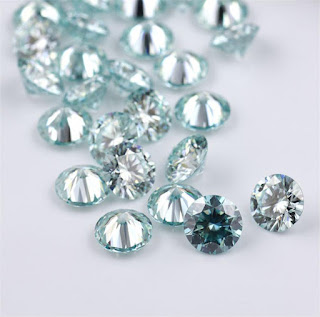
Moissanite has a refractive index of 2.65-2.69, higher than diamond's 2.42. That means more fire and brilliance per carat. For customers who want visible sparkle at a lower price point than diamonds, moissanite halo earrings in S925 silver deliver. Starsgem cuts moissanite in round, oval, pear, cushion, princess, emerald, asscher, heart, marquise, and radiant shapes.
Key Features
- Shape variety: Ten different cuts available, allowing you to differentiate your product line.
- Color options: Beyond white moissanite, color moissanite is available for fashion-forward designs.
- S925 silver halo settings: The halo amplifies the center stone's perceived size while protecting the main stone from impact.
Who It's Best For
Bridal and fashion jewelry buyers who want the "wow" factor of large, brilliant stones without the diamond price tag. Moissanite tests positive on diamond testers, which some customers appreciate.
Limitations
- Moissanite can appear slightly "oily" or rainbow-like compared to diamonds in certain lighting.
- Resale value is lower than diamonds.
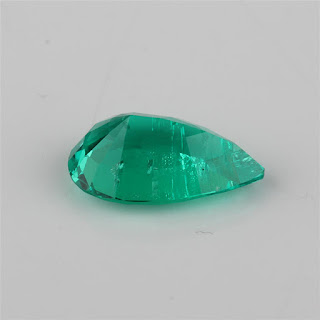
#3 Hydrothermal Emerald Earrings in S925 Silver — Color Without Compromise
Natural emeralds are heavily fractured and typically oiled to improve clarity. Hydrothermal emeralds grow in laboratory conditions, producing cleaner stones with fewer inclusions. Starsgem's lab-grown emeralds offer the deep green color customers want, set in nickel-free S925 silver.
Key Features
- Cleaner stones: Hydrothermal growth produces emeralds with fewer fractures than most mined stones.
- Consistent color: Batch-to-batch color consistency matters for matching earring pairs.
- S925 silver settings: The green-violet contrast works beautifully in bright silver, and the metal won't irritate sensitive skin.
Who It's Best For
Jewelry lines targeting the "birthstone" market — emerald is May's birthstone — and customers who prefer colored gemstones over diamonds.
Limitations
- Emerald's Mohs hardness of 7.5-8 means it can scratch more easily than sapphire or diamond.
- Some customers still prefer natural stones for perceived value.
#4 Lab-Grown Sapphire Studs in S925 Silver — The Durable Choice
Sapphire ranks 9 on the Mohs scale, second only to diamond. Lab-grown sapphires offer that durability at a fraction of the cost of natural stones. Starsgem produces lab-grown sapphires in various colors, making them versatile for fashion lines.
Key Features
- Exceptional hardness: Resists scratching and chipping better than most gemstones.
- Color range: Blue is classic, but pink, yellow, and padparadscha sapphires expand your design options.
- S925 silver compatibility: Sapphire's hardness means it won't scratch the silver setting during wear.
Who It's Best For
Customers who are hard on their jewelry — active lifestyles, daily wear, or those who've damaged softer stones before. Relevant specifications and application guidance are available through Wedding Ring.
Limitations
- Lab-grown sapphires lack the "romance" of natural stones for some buyers.
- Color zoning can occur in some lab-grown stones; verify quality before bulk ordering.
#5 Crushed Ice Cubic Zirconia Hoops in S925 Silver — Budget Brilliance
Not every customer needs a gemstone. Crushed ice cubic zirconia offers diamond-like sparkle at a fraction of the cost. Starsgem's crushed ice CZ line provides an entry-level option for brands testing the nickel-free market.
Key Features
- Cost-effective: CZ costs pennies per stone compared to lab-grown diamonds.
- Crushed ice cut: This faceting pattern maximizes light dispersion and hides inclusions well.
- S925 silver hoops: Hoop styles work well for customers who prefer non-stud earrings.
Who It's Best For
Fast-fashion jewelry lines, promotional products, and brands targeting younger demographics with limited budgets.
Limitations
- CZ scratches and dulls over time — it's not a lifetime product.
- Some customers perceive CZ as "cheap" regardless of the setting quality.
How to Choose the Right S925 Silver Earrings for Your Jewelry Line
| If you need... | Choose... | Because... |
|---|---|---|
| Maximum sparkle per dollar | Moissanite halo | Higher refractive index than diamond |
| Everyday durability | Lab-grown sapphire | Mohs hardness 9 |
| Classic diamond look | Lab-grown diamond studs | Real diamond optics without mining |
| Budget entry point | Crushed ice CZ | Lowest cost per piece |
| Color differentiation | Hydrothermal emerald | Clean stones, consistent green |
Frequently Asked Questions
Are S925 silver earrings safe for sensitive ears?
S925 sterling silver is generally safe, but the 7.5% alloy content matters. If that alloy includes nickel, reactions can occur. Request nickel-free certification (EN 1811:2011 compliance) from your supplier. Starsgem can provide material documentation for their S925 silver products.
What is the difference between lab-grown diamonds and moissanite for earrings?
Lab-grown diamonds are chemically identical to mined diamonds — pure carbon with a Mohs hardness of 10. Moissanite is silicon carbide with a hardness of 9.25 and a higher refractive index (2.65-2.69 vs. 2.42). Moissanite shows more fire and color flash; lab-grown diamonds look like traditional diamonds.
How long does it take to get custom S925 silver earrings?
Starsgem quotes delivery times of 2-4 days for standard orders, with expedited shipping via DHL or FedEx. Custom OEM designs may require additional time for mold creation and sampling, depending on complexity.
Can I order mixed stone types in one earring line?
Yes. Starsgem produces lab-grown diamonds, moissanite, hydrothermal emeralds, lab-grown sapphires, rubies, spinels, alexandrite, and synthetic stones. You can mix stone types across a single S925 silver earring collection to hit different price points.
What certifications should I request for nickel-free earrings?
Request EN 1811:2011 test reports for nickel release, plus material certificates confirming the silver alloy composition. For gemstones, ask for grading reports if you're purchasing lab-grown diamonds above 0.5ct.
Final Thoughts
The best S925 silver earrings for sensitive ears combine verified nickel-free alloy with quality stone setting and honest material documentation. Lab-grown diamonds and moissanite offer the brilliance customers expect, while hydrothermal emeralds and lab-grown sapphires add color variety. The key is verifying your supplier's alloy composition — don't assume "sterling silver" means nickel-free.
For B2B buyers, Starsgem provides lab-grown diamond, moissanite, and hydrothermal emerald products in S925 silver settings, with OEM capabilities and 2-4 day delivery via DHL or FedEx. Whether you're building a bridal collection around Engagement Ring designs or expanding into everyday Wedding Ring-adjacent earring lines, the same nickel-free principles apply. And if you're developing Classic Wedding Rings collections, matching earrings in the same metal and stone specifications create cohesive bridal sets that sell better.
Start with a small test order. Verify the material certificates. Check the nickel release test results. Then scale up with confidence. Your customers with sensitive ears will thank you — and they'll come back for more. Relevant specifications and application guidance are available through Classic Wedding Rings.

评论
发表评论