Best Lab Grown Diamond Shapes for Engagement Rings and Fine Jewelry
Best Lab Grown Diamond Shapes for Engagement Rings and Fine Jewelry
Key Takeaways
- Round brilliant remains the most popular lab grown diamond shape, offering maximum sparkle and fire across all carat weights from 0.003ct melee to 2ct and above.
- Fancy shapes like oval, pear, and marquise can appear 10-15% larger than round diamonds of the same carat weight due to their elongated surface area.
- Princess and emerald cuts deliver a modern, geometric aesthetic that pairs well with minimalist settings and Art Deco inspired designs.
- Lab grown diamonds offer the same physical, chemical, and optical properties as mined diamonds at 30-40% lower cost, per industry pricing trends.
- Shape selection should balance brilliance, finger coverage, setting compatibility, and personal style preferences.
What to Look for in Lab Grown Diamond Shapes
Choosing the right shape for an engagement ring or fine jewelry piece is not just about aesthetics. The shape determines how light interacts with the stone, how large the diamond appears on the finger, and which settings will protect it best. Here is what matters most when evaluating lab grown diamond shapes:
- Brilliance and Fire: Round brilliant cuts deliver the highest light return, typically scoring highest on sparkle tests. Fancy shapes like emerald and asscher prioritize clarity and step-like flashes over raw fire.
- Carat Weight Perception: Elongated shapes such as oval, pear, and marquise spread their weight across a larger surface area. A 1ct oval can face up larger than a 1ct round, giving you more visual impact per carat.
- Setting Compatibility: Some shapes require protective settings. Princess cuts have sharp corners prone to chipping, while round and cushion shapes are more forgiving in daily wear.
- Proportion Quality: Look for well-balanced length-to-width ratios. For ovals, a ratio between 1.30 and 1.45 is generally flattering. For pears, aim for 1.45 to 1.65.
- Color and Clarity Interaction: Step cuts like emerald and asscher show inclusions more readily. If you choose these shapes, consider higher clarity grades or slightly warmer color grades that mask tint.
Top Lab Grown Diamond Shapes: Quick Comparison
| Shape | Best For | Finger Coverage | Setting Compatibility | Distinctive Feature |
|---|---|---|---|---|
| Round | Maximum brilliance | Moderate | Universal | 58 facets, highest fire |
| Oval | Elongated finger look | High | Solitaire, halo | 10-15% larger face-up |
| Pear | Vintage elegance | High | Halo, pendant | Teardrop silhouette |
| Cushion | Soft, romantic glow | Moderate | Solitaire, vintage | Rounded corners, pillow shape |
| Princess | Modern geometric style | Moderate | Solitaire, pave | Square outline, sharp corners |
| Emerald | Art Deco sophistication | Moderate | Step-cut settings | Hall-of-mirrors effect |
| Asscher | Vintage square elegance | Moderate | Step-cut settings | Cropped corners, deep pavilion |
| Marquise | Maximized carat spread | Very high | Solitaire, halo | Elongated football shape |
| Radiant | Brilliance with shape | Moderate | Solitaire, halo | Cropped corners, brilliant facets |
| Heart | Romantic symbolism | Moderate | Solitaire, pendant | Distinctive heart outline |
Round Brilliant — The Timeless Standard
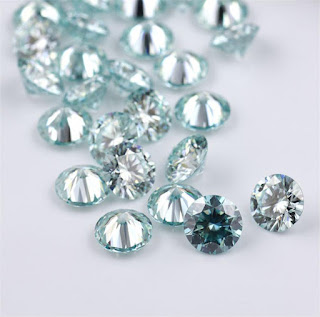
Round lab grown diamonds remain the benchmark for brilliance. With 58 facets arranged in a precise optical pattern, round cuts maximize light return better than any other shape. This is why round diamonds consistently command the highest price per carat in both mined and lab grown markets.
For engagement rings, round stones work beautifully in solitaire settings, halo designs, and three-stone configurations. The shape is also the most forgiving when it comes to hiding minor inclusions, making it an excellent choice if you are working within a specific budget.
Key Features
- Maximum Light Performance: Round brilliants reflect nearly all incoming light back to the eye, creating the signature sparkle most buyers expect from a diamond.
- Versatile Carat Range: From 0.003ct melee stones used in pavé bands to 2ct and above center stones, round diamonds are available in every size category.
- Universal Setting Compatibility: Round stones fit securely in virtually any mounting, from tension settings to prong settings to bezel frames.
Who It's Best For
Buyers who prioritize maximum sparkle and want a shape that will never look dated. Round is also the safest choice if you are purchasing a diamond for someone else and want a universally flattering option.
Limitations
- Highest cost per carat compared to fancy shapes
- Less distinctive than fancy cuts for those seeking individuality
Oval — Elongated Elegance
Oval lab grown diamonds have surged in popularity over the past decade, and for good reason. The elongated silhouette creates the illusion of a longer, slimmer finger while offering face-up coverage comparable to a round stone of the same carat weight. A 1ct oval typically measures approximately 7.7mm by 5.7mm, while a 1ct round measures about 6.5mm in diameter.
The oval shape combines the brilliance of a round cut with a distinctive outline. Modern oval cuts feature a modified brilliant facet pattern that delivers strong fire while maintaining the elongated profile. When selecting an oval, pay attention to the length-to-width ratio. Ratios between 1.30 and 1.45 are considered most flattering, though some buyers prefer a more elongated look at 1.50 or higher.
Key Features
- Larger Face-Up Appearance: Ovals appear 10-15% larger than rounds of equal carat weight, maximizing visual impact per carat.
- Flattering Finger Silhouette: The elongated shape visually lengthens the finger, making it a favorite for engagement rings.
- Bow-Tie Consideration: Some ovals show a bow-tie effect across the center. Quality cutting minimizes this, so inspect the stone in person or request video before purchasing.
Who It's Best For
Buyers who want the brilliance of a round cut but prefer a more distinctive, modern silhouette. Oval diamonds also pair beautifully with halo settings that enhance their elongated shape.
Limitations
- Bow-tie effect can be visible in lower quality cuts
- Requires careful proportion checking to ensure optimal brilliance
Pear — The Teardrop Silhouette
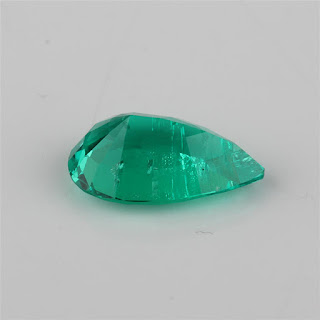
Pear shaped lab grown diamonds combine the round brilliant's fire with a distinctive teardrop outline. This shape offers excellent finger coverage, especially when oriented with the pointed end facing toward the hand. Pear cuts are also a popular choice for Diamond Pendants, where the teardrop silhouette creates a graceful, elongating effect on the neckline.
The pear shape requires careful attention to symmetry. The point must align perfectly with the rounded end, and the length-to-width ratio typically falls between 1.45 and 1.65. A well-cut pear displays strong brilliance across the rounded portion while the point adds visual interest.
Key Features
- Distinctive Silhouette: The teardrop shape stands out from round and square cuts, offering a romantic, vintage-inspired aesthetic.
- Excellent Carat Spread: Pears face up large for their carat weight, making them an economical choice for maximum visual impact.
- Versatile Orientation: Pear stones can be set with the point up or down, allowing for customization in rings and pendants.
Who It's Best For
Buyers drawn to vintage or romantic aesthetics who want a shape that feels personal and distinctive. Pear diamonds also work exceptionally well in halo settings that echo the teardrop outline.
Limitations
- The pointed end requires protective prongs to prevent chipping
- Symmetry issues are more visible in pear cuts than in rounds
Cushion — Soft Romantic Glow
Cushion lab grown diamonds feature rounded corners and larger facets that create a soft, romantic glow rather than the sharp fire of a round brilliant. The shape has been popular for over a century, favored by those who appreciate a vintage aesthetic. Modern cushion cuts combine the classic silhouette with improved brilliance through modified facet patterns.
Cushion cuts come in two main varieties: standard cushion and crushed ice cushion. Standard cushions have larger facets that produce broad flashes of light, while crushed ice cushions feature smaller facets that create a more sparkly, diamond-like appearance. Both options are available in lab grown diamonds across all carat weights.
Key Features
- Vintage Appeal: The rounded corners and soft glow evoke classic jewelry design from the early 20th century.
- Forgiving of Inclusions: The larger facets and softer light return make cushion cuts more forgiving of minor inclusions than step cuts.
- Square or Rectangular Options: Cushion cuts are available in both square and elongated proportions, offering flexibility in design.
Who It's Best For
Buyers who prefer a softer, more romantic sparkle over the intense fire of a round brilliant. Cushion cuts pair beautifully with vintage-inspired settings and rose gold bands.
Limitations
- Lower brilliance than round cuts in direct comparison
- Quality varies significantly between standard and crushed ice varieties
Princess — Modern Geometric Edge
Princess cut lab grown diamonds offer a square outline with brilliant-cut facet patterns, delivering strong sparkle with a contemporary geometric aesthetic. This shape is the second most popular choice for engagement rings, favored by buyers who want something more modern than a round but still brilliant.
The princess cut features sharp corners that require protective settings. V-shaped prongs or a bezel setting are recommended to prevent chipping. Despite this consideration, the princess cut remains a top choice for its combination of brilliance and distinctive square appearance.
Key Features
- Square Brilliance: Princess cuts deliver nearly the same fire as round brilliants while offering a square outline.
- Modern Aesthetic: The sharp corners and clean lines appeal to buyers seeking contemporary design.
- Excellent Value: Princess cuts typically cost less per carat than rounds, offering savings without sacrificing sparkle.
Who It's Best For
Buyers who want a square diamond with maximum brilliance. Princess cuts pair well with pave bands and minimalist settings that complement their geometric shape.
Limitations
- Sharp corners are prone to chipping without protective settings
- Less forgiving of inclusions than round cuts
Emerald Cut — Art Deco Sophistication
Emerald cut lab grown diamonds feature step-cut facets arranged in parallel lines, creating a hall-of-mirrors effect rather than the sparkle of brilliant cuts. This shape prioritizes clarity and elegance over fire, making it a favorite for Art Deco inspired designs and those who appreciate understated luxury.
The emerald cut's open table makes inclusions more visible than in brilliant cuts. For this reason, higher clarity grades are recommended. However, the shape's clean lines and sophisticated appearance make it worth the extra consideration.
Key Features
- Hall-of-Mirrors Effect: Parallel step facets create a distinctive, sophisticated light pattern.
- Clarity Focus: The open design showcases the diamond's clarity, rewarding careful stone selection.
- Elongated Proportions: Emerald cuts typically have length-to-width ratios between 1.30 and 1.50, offering elegant finger coverage.
Who It's Best For
Buyers who appreciate geometric elegance and prefer subtle sophistication over maximum sparkle. Emerald cuts pair beautifully with Diamond Necklaces, where the elongated shape creates a sleek, modern line.
Limitations
- Inclusions are more visible than in brilliant cuts
- Lower brilliance may disappoint buyers seeking maximum sparkle
Asscher — Vintage Square Elegance
Asscher cut lab grown diamonds are essentially square emerald cuts with cropped corners and a deeper pavilion. This shape was developed in 1902 and remains a favorite for those seeking vintage sophistication. The asscher cut's distinctive appearance sets it apart from more common shapes.
Like emerald cuts, asscher diamonds feature step facets that prioritize clarity over brilliance. The cropped corners and higher crown create a unique optical effect that catches the eye. Asscher cuts are less common than other shapes, making them an excellent choice for buyers seeking individuality.
Key Features
- Distinctive Vintage Look: The cropped corners and step facets create an unmistakable Art Deco aesthetic.
- Unique Light Pattern: The deep pavilion and step facets produce a distinctive, understated sparkle.
- Square Proportions: Asscher cuts offer the elegance of step cuts in a square outline.
Who It's Best For
Buyers who want a rare, vintage-inspired shape that stands out from typical engagement ring choices. Asscher cuts pair well with S925 Jewelry settings for a classic yet distinctive look.
Limitations
- Less brilliant than round or princess cuts
- Requires higher clarity grades due to visible inclusions
Marquise — Maximized Carat Spread
Marquise lab grown diamonds feature an elongated football shape with pointed ends, offering the largest face-up appearance of any diamond shape. A 1ct marquise can measure up to 10mm in length, significantly larger than a round of the same weight. This makes marquise an excellent choice for maximizing visual impact per carat.
The marquise shape requires careful attention to the length-to-width ratio, typically between 1.75 and 2.15. The pointed ends require protective prongs, and the shape can show a bow-tie effect similar to ovals. Despite these considerations, marquise diamonds offer unmatched carat spread.
Key Features
- Maximum Face-Up Size: Marquise diamonds appear larger than any other shape at the same carat weight.
- Dramatic Silhouette: The elongated shape creates a striking, distinctive appearance.
- Finger Elongation: The long outline visually lengthens the finger more than any other shape.
Who It's Best For
Buyers who want the largest possible diamond appearance for their budget. Marquise cuts are also popular for those seeking a dramatic, distinctive look.
Limitations
- Pointed ends require protective settings
- Bow-tie effect can be pronounced in lower quality cuts
How to Choose the Right Lab Grown Diamond Shape
| If you need... | Choose... | Because... |
|---|---|---|
| Maximum sparkle | Round brilliant | Highest light return of any shape |
| Larger appearance per carat | Oval, pear, or marquise | Elongated shapes face up 10-15% larger |
| Modern geometric style | Princess or radiant | Square outlines with brilliant facets |
| Vintage sophistication | Cushion, emerald, or asscher | Classic silhouettes with distinctive character |
| Romantic symbolism | Heart | Unique shape with emotional meaning |
| Versatile setting options | Round or cushion | Compatible with virtually any mounting |
Frequently Asked Questions
What is the best lab grown diamond shape for maximum sparkle?
The round brilliant cut delivers the highest sparkle of any lab grown diamond shape. Its 58 facets are precisely arranged to maximize light return, creating the signature fire that most buyers associate with diamonds. If sparkle is your top priority, round is the safest choice.
Do lab grown diamond shapes cost the same per carat?
No. Round lab grown diamonds typically cost more per carat than fancy shapes because of higher rough material waste during cutting. Oval, pear, cushion, and emerald cuts generally cost 20-30% less per carat than rounds, allowing you to purchase a larger stone for the same budget.
Which lab grown diamond shape looks largest on the finger?
Marquise diamonds offer the largest face-up appearance per carat, followed by pear and oval shapes. A 1ct marquise can measure up to 10mm in length, while a 1ct round measures about 6.5mm in diameter. Elongated shapes create the illusion of a larger stone.
Are lab grown diamonds graded using the same standards as mined diamonds?
Yes. Lab grown diamonds are graded using the same 4Cs criteria as mined diamonds, following standards established by organizations like the Gemological Institute of America (GIA) and the International Gemological Institute (IGI). This ensures consistent quality assessment across both diamond types.
What shape is best for a lab grown diamond pendant?
Pear and oval shapes are popular choices for diamond pendants because their elongated silhouettes create a graceful, flattering line along the neckline. Round and marquise shapes also work well, depending on the pendant design and personal preference.
Final Thoughts
The best lab grown diamond shape for engagement rings and fine jewelry ultimately depends on your priorities. Round brilliants deliver unmatched sparkle, elongated shapes maximize carat spread, and step cuts offer sophisticated elegance. Each shape brings distinct advantages, and the right choice balances brilliance, finger coverage, setting compatibility, and personal style.
Lab grown diamonds offer the same physical, chemical, and optical properties as mined diamonds at significantly lower cost, making it easier to choose a larger stone or higher quality cut within your budget. Whether you select a classic round, a romantic pear, or a vintage-inspired emerald cut, lab grown diamonds deliver exceptional value.
For buyers seeking maximum sparkle, round remains the benchmark. For those wanting distinctive style, fancy shapes like oval, pear, and cushion offer character and presence. And for those prioritizing value, elongated shapes provide the largest visual impact per carat.
Wholesale buyers and jewelry manufacturers should consider offering a range of shapes to meet diverse customer preferences. From 0.003ct melee stones for pavé work to 2ct and above center stones, lab grown diamonds are available in every shape and size category. With delivery times of 2-4 days and expedited shipping via DHL or FedEx, sourcing quality lab grown diamonds has never been more efficient.

评论
发表评论