What Is a Lab-Created Sapphire?
Sapphires, akin to colored diamonds, can either be mined or synthesized in a laboratory. The term "sapphire" originates from Latin and Greek words meaning "blue." While blue is the most prevalent hue for sapphires, they can also appear in shades of yellow, purple, orange, or green. Ruby, which is red sapphire, shares the same corundum base as sapphire and is part of the sapphire family, with other minerals contributing to its red hue. Lab-created sapphires are authentic gemstones, possessing identical physical and chemical properties to naturally occurring counterparts.
Mined Sapphires Vs. Lab-Created Sapphires: Differences
Origin
Mined sapphires, like other natural diamonds, form through specific geological processes beneath the Earth's surface. They are created through various shifts, mixtures, and chemical transformations within the Earth's crust, often influenced by changes in heat and pressure.
In contrast, lab-created sapphires are produced by diamond manufacturers using either flux or flame fusion techniques. Fluxing involves dissolving components in a solution and allowing them to crystallize over time, resulting in lab sapphires with internal imperfections, typically available in smaller sizes. Flame fusion lab sapphires, on the other hand, are made using materials and heat, often resulting in larger sizes.
Sustainability/ Availability
Mined sapphires have limited availability, dependent on the occurrence of discoveries and mining activities. In contrast, lab-created sapphires have unlimited availability as they are produced in laboratories using scientific methods. This makes lab-grown sapphires more sustainable and readily available as per demand. While some may argue that this diminishes the rarity of mined sapphires, the growing preference for lab-created gemstones among consumers suggests otherwise.
Price
Lab-created sapphires are generally 40-50% cheaper than mined sapphires, making them more accessible and affordable to a wider range of consumers. Mined sapphires, being naturally occurring and rarer, are typically much more expensive. Despite this price difference, there is debate over the resale value of lab-created sapphires. However, experts note that high-quality lab-created sapphires can hold their value well, especially those that closely mimic natural sapphires. As a result, an increasing number of consumers are opting for lab-grown sapphires over mined ones.
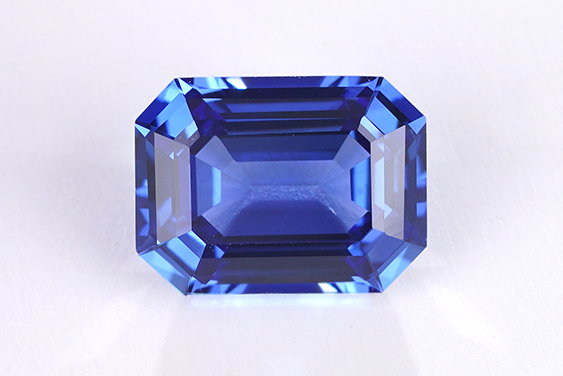
What Are the Characteristics of a High-Quality Lab-Grown Sapphires?
The finest sapphire exhibits a medium to bright tone, avoiding extremes of being too pale or too dark, and lacks gray or brown undertones. A top-tier lab-created sapphire accurately replicates the true color of natural sapphires and possesses exceptional clarity, radiance, and beauty.
Sapphires are commonly fashioned into oval, cushion, and emerald cuts, with the emerald cut often yielding the richest color. However, lab-created sapphires can be fashioned into various diamond shapes, with the uniformity of facets being paramount for cut quality.
When selecting a lab-grown sapphire, it's essential to assess its performance based on cut, clarity, carat weight, and color. Additionally, verifying the diamond grading certificate is advisable. Each lab-created sapphire is graded for quality and accompanied by a detailed report or certificate, providing assurance of its origin and quality.
Are Lab-Grown Sapphires Truly Sapphires?
Chemically and physically, natural and lab-grown sapphires share the same composition, atomic structure, and crystal habit, both being forms of corundum as identified by gemology labs.
However, as a consumer, you might prefer to differentiate between lab-grown and natural varieties. While both can be visually stunning, understanding what you're purchasing is crucial. If a sapphire is labeled as synthetic, you can make an informed decision about whether to proceed with the purchase. Conversely, if it's marketed as natural, it's important to acknowledge the potential for misrepresentation or misidentification.

评论
发表评论